×

The Standard e-Paper
Read Offline Anywhere





Audio By Vocalize
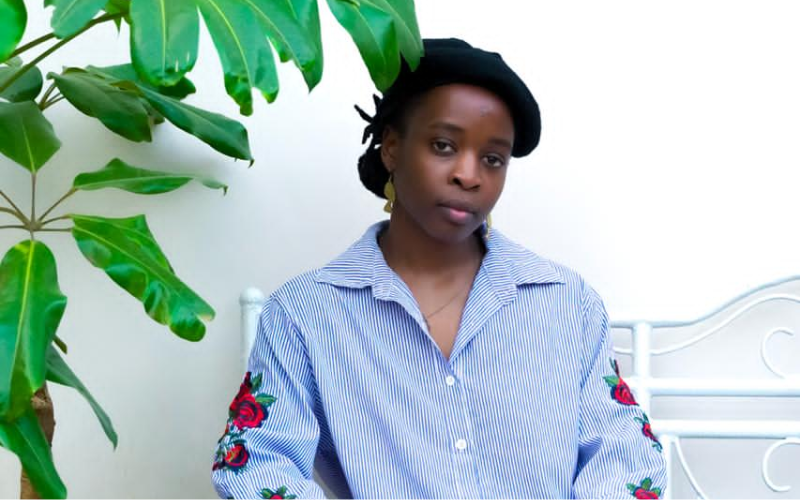
Savalla Vanessa’s photo slideshow, Nyumbani Kwa Mama, was on view at the Contemporary Image Centre (CIC) Africa in Westlands on September 5. It was curated by the CIC founder Adam Ibrahim.
It is an ongoing project and a way for her to explore and express what art really means to her. The project takes its name from the idea of home and the comfort, freedom and sense of belonging that come with it.
“Like the saying goes, “East or West, home is best,” for me, art is home. No matter how far I wander, how distracted I become, or how lost I may feel, I always find my way back to art,” she says.
She explains that the home is the one she is building in her mind rather than a physical structure. The idea was inspired by Korosho na Pipi by musician Kasiva Mutua. Vanessa says the song and the story behind it influenced the name and its idea of returning home.
She says that it talks about coming back home and coming back with more art to fill the home with art as her children.
“Some things are hard to speak out, and if you are having trouble expressing yourself, I use art. I photograph it in a way that people see the way I see it. I use it as a way to express myself. It is a piece of me,” she says.
Her relationship with art has evolved over time. Vanessa became more drawn to creative work during the Covid-19 pandemic, when many people turned to creative pursuits.
Since then, her photography has moved through different phases. She has worked extensively with portraits and self-portraits and has also explored photography and video in different forms. More recently, she has turned to landscapes to create a different visual experience.
“Art has changed. I have grown. I have evolved and grown through different phases. Every day, something new comes up and I evolve,” she says.
Nyumbani Kwa Mama is not intended to be a completed body of work. She sees it as an ongoing project that will develop her artistic practice together.
“Everybody has a home, and it doesn’t end. We keep coming back home. This is a home that will continue to be filled with art,” she says.
The project brings together older photographs and newer ideas. For the slideshow, she selected seven pieces, many of which carry personal or symbolic meanings. She says that the images are part of her artistic family and will eventually have a place in a home she imagines.
The slideshow was not originally part of the plan. Vanessa says a couple of friends encouraged her to present the work in that format. Sharing her work is like sharing a piece of herself with people.
The decision to show the photographs publicly also made her feel vulnerable.
“It is like having a naked part of you. People see you openly, who you are. I was nervous and scared,” she says.
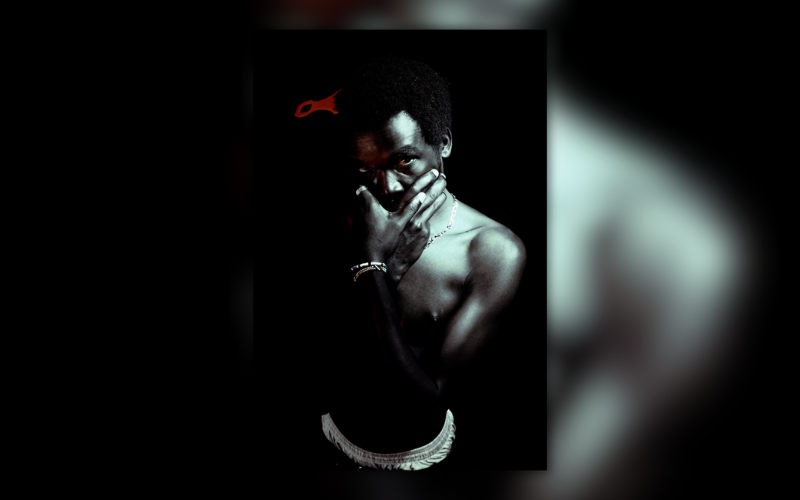
A piece titled Unbound depicts a man with a comb on his head. She says that the work was inspired by Frank Ocean’s song Wiseman.
The project examines the effects of toxic masculinity on men and the pressures placed on them to suppress vulnerability.
“The world we live in holds no space for men to cry, so instead, they hold their fists high,” she says.
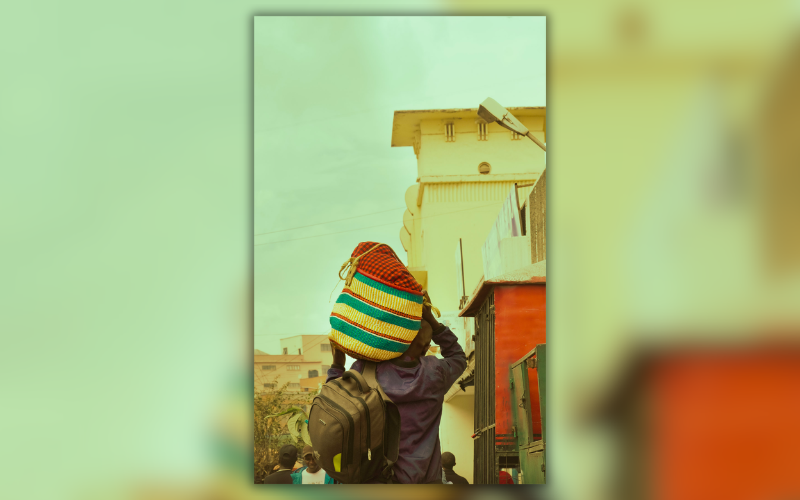
Another photograph, The World, shows a man carrying bags. She took the photograph during Mashujaa Day in 2024 while on a photography walk in Nairobi’s Central Business District. At the time, she was simply drawn to the way the man carried his bags. It now has a lot of symbolism to it.
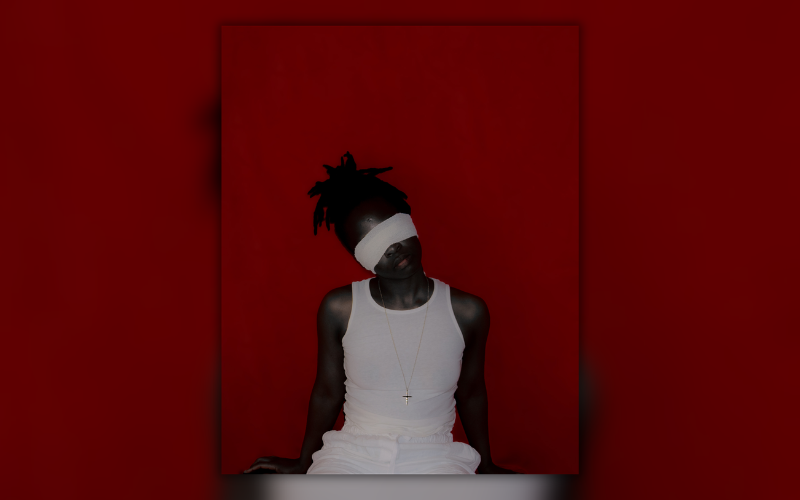
The slideshow also includes The Red Room, a self-portrait inspired by the supernatural drama series Forever. She explains that the image explores pain and the ways it can be transformed through art.
“Every photo has a meaning to me. It has a piece of me, and art is home to me. They are all a part of me,” she says.
While Vanessa has her own interpretations of the photographs, she does not expect viewers to see them in the same way.
She hopes the slideshow allows people to form their own interpretations and find meanings beyond what she intended.
During the presentation, she noticed viewers picking out details and interpreting the photographs differently. Their perspectives, she says, opened her mind to possibilities she had not considered. For her, that exchange is part of the value of sharing art.
Vanessa hopes that Nyumbani Kwa Mama will eventually be a physical space. She imagines a house filled with art, with photographs covering its rooms, walls and corridors. Visitors would encounter artworks as they move through the space.
“I would want it to be filled with corridors. Every room is filled with pictures that I love, and someone walking into the corridor sees art. You feel the artistic air,” she says.
She also imagines a garden.
The space, however, would not be limited to Vanessa’s own work. She wants other artists and creatives to be part of the home.
“I want to bring together different forms of creativity. People forget that we have musicians and graffiti artists. We have so many artists. That is a whole artistic world,” she says.
She also hopes to create a place where artists can meet, collaborate and share their work, while also welcoming people who want to experience art.
Nyumbani Kwa Mama is an evolving project, just as Vanessa’s artistic practice continues to change. More than a place to display her own work, she wants it to retain its sense of openness and belonging.
“I hope the home has the same spark and inspires other people. I also hope people build their own homes and invite me too,” she says.
Subscribe to our newsletter and stay updated on the latest developments and special offers!