×

The Standard e-Paper
Informed Minds Prefer The Standard





Audio By Vocalize
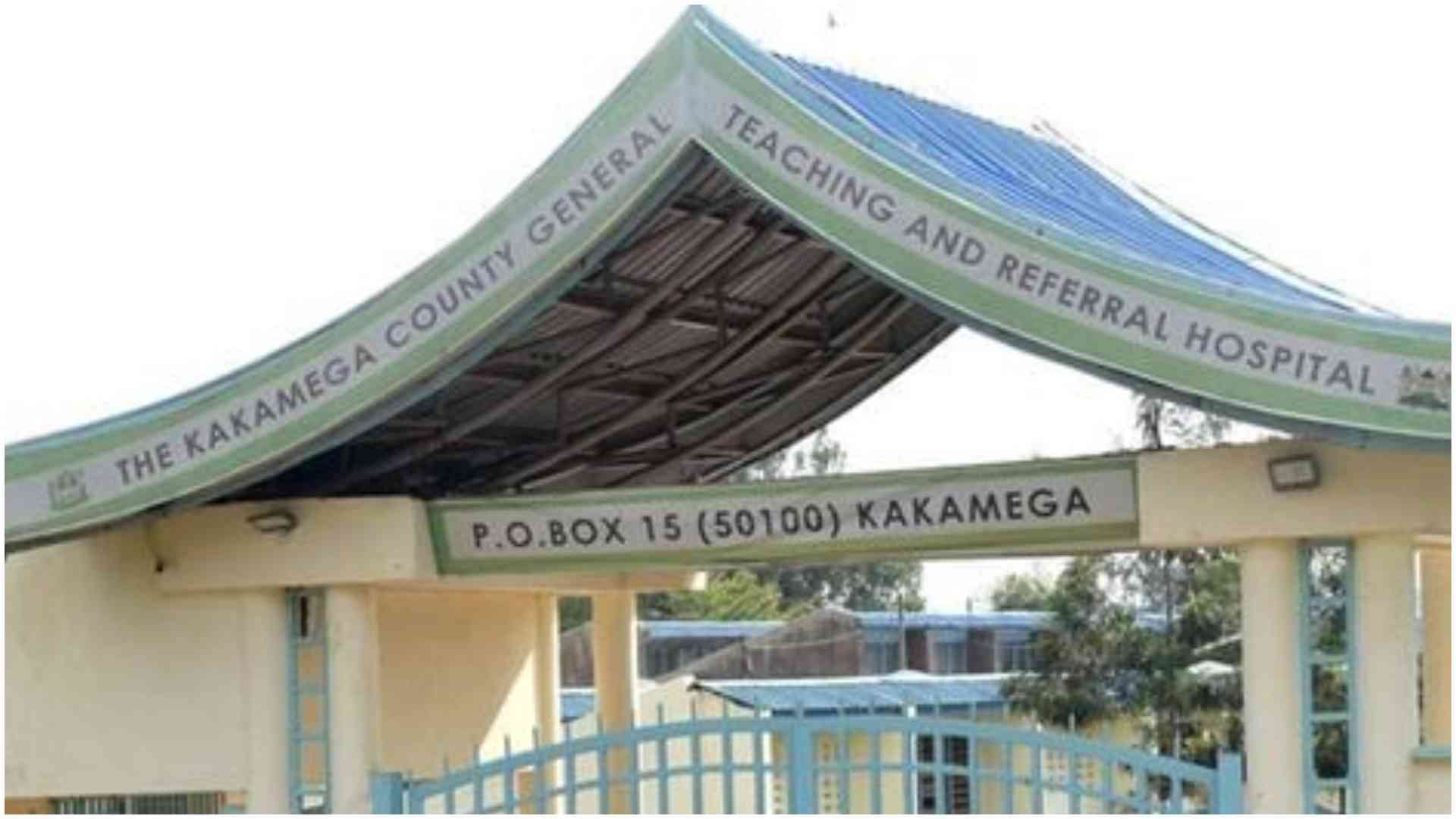
A seemingly routine practice at Kakamega County Referral Hospital has ignited outrage among patients and their families over the manner in which bodies are transferred from hospital wards.
The clacking sound of a trolley echoing through the corridors has become a chilling signal that a patient has died and is being moved to the mortuary, a spectacle that many say causes distress among patients, visitors and caregivers.
Ideally, hospitals are meant to provide calm and reassurance to aid recovery. However, patients claim the hospital turns into a place of anxiety whenever a death occurs.
According to witnesses, the rattling of metallic trolleys ferrying bodies through wards often sparks fear among patients already battling illness, leaving many imagining they could be the next person wheeled away.
The practice has sparked debate, with growing calls for more discreet and dignified methods of transferring bodies. Those who spoke described a facility that appears insensitive to the emotional state of patients who, while fighting for recovery, do not need constant reminders of death.
The hospital, a lifeline for thousands across Western Kenya, now finds itself under scrutiny over a routine that patients and visitors describe as psychologically harmful. “We watch the dead pass within the same wards where our loved ones are receiving treatment, including critically ill patients. The noise of the trolley is traumatising and worsens their condition,” said Beatrice Night, a local resident.
Residents claim mortuary attendants frequently transport bodies on open stretchers through patient wards without prior warning. These movements occur both during the day and at night.
Kakamega County residents are raising concern over disturbing scenes at the county hospital, where mortuary attendants reportedly move around with stretchers carrying bodies in open view—causing fear and distress among patients. Urgent action needed. pic.twitter.com/IicySy1PmE
— CNYAKUNDIA. (@CNyakundiA) May 3, 2026
Noel Clinton recounted the traumatic experience she faced after losing her child at the hospital.
“My son was admitted to the Intensive Care Unit, and I was still holding on to hope and faith,” she said. “My thoughts were suddenly interrupted by the sound of a rattling trolley heading towards the ICU.”
She added that moments later she was informed her child had died. “Shortly afterwards, I saw my child’s body being wheeled through the wards in full view of other patients and caregivers. The atmosphere changed instantly. People stopped talking, others whispered, and one patient even said they were coming for him next.”
Residents cite absence of designated routes, privacy measures and appropriate equipment for transporting bodies respectfully.
Vincent Shivaji criticised what he described as a lack of dignity in handling the dead, saying the process exposes patients, relatives and visitors to distressing scenes.
“I brought a patient to the hospital and unfortunately he died, but what I witnessed still troubles me,” said Shivaji. “The way the body was wheeled through the wards was appalling and needs to change.”
Grieving families must cope not only with loss but also with the public manner in which that loss unfolds.
Some patients report experiencing panic attacks, sleepless nights and emotional distress after witnessing bodies being moved through wards.
“You are lying there trying to recover, then suddenly death passes right in front of you,” said one patient, describing the psychological impact.
Health experts note that hospital environments play a critical role in patient recovery, and exposure to distressing stimuli can heighten anxiety levels and negatively affect healing.
Residents are now calling on hospital management and county health authorities to introduce quieter equipment, designated transfer routes and protocols that prioritise dignity for the deceased while safeguarding the mental wellbeing of patients.
Subscribe to our newsletter and stay updated on the latest developments and special offers!