×

The Standard e-Paper
Truth Without Fear





Audio By Vocalize
Concerns over hate speech, ethnic profiling and political intolerance are mounting as Kenya heads towards the 2027 General Election.
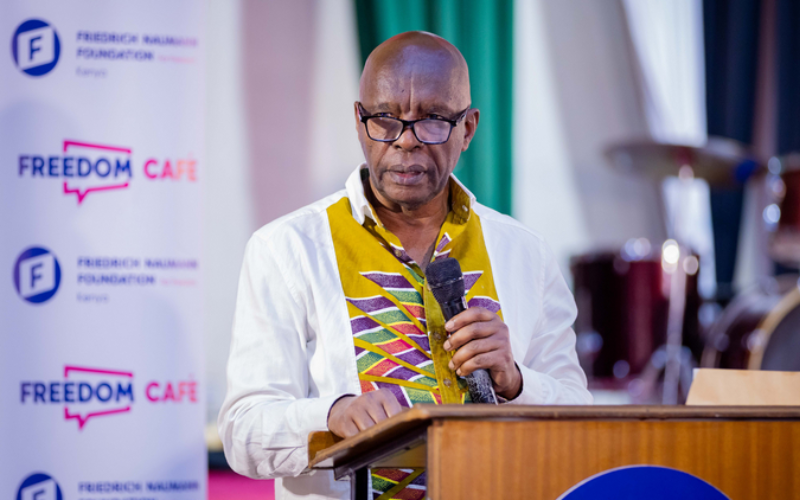
Speaking at a Nairobi Freedom Café forum themed "Winning Without Violence," political, religious and youth leaders called for peaceful electoral competition.
In August, a coalition led by the National Cohesion and Integration Commission (NCIC) warned that incitement threatens national cohesion.
The NCIC has been investigating at least eight prominent politicians since early 2026 over hate speech allegations.
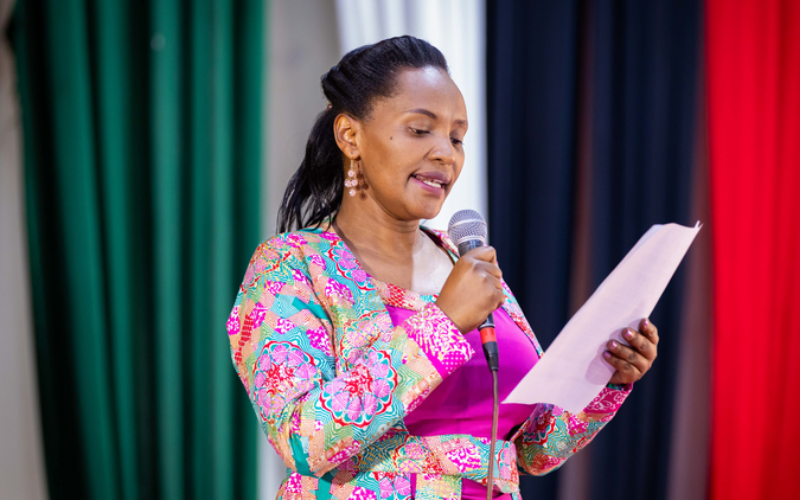
Friedrich Naumann Foundation senior project manager Judie Kaberia urged citizens not to allow political rivalry to turn them against one another.
"Political competition does not prescribe that we become enemies," Kaberia said. "We can disagree, sometimes strongly, and still recognise one another as fellow citizens."
Her remarks reflect Kenya’s history of election-related violence, particularly the 2007–08 crisis that left over 1,100 people dead and 650,000 displaced.
By contrast, Botswana’s 2024 election demonstrated a peaceful transition when President Mokgweetsi Masisi conceded defeat before final tallies were declared.
Prof Kivutha Kibwana, chancellor of International Leadership University, emphasized that leaders must negotiate early to prevent conflict. "We cannot think there will be no violence in 2027," Kibwana said.
"Those who lead, however, have the capacity to be able to negotiate in advance so that they do not do that after the violence, when so much has been lost," he added.
Religious leaders were also called upon to intervene early.
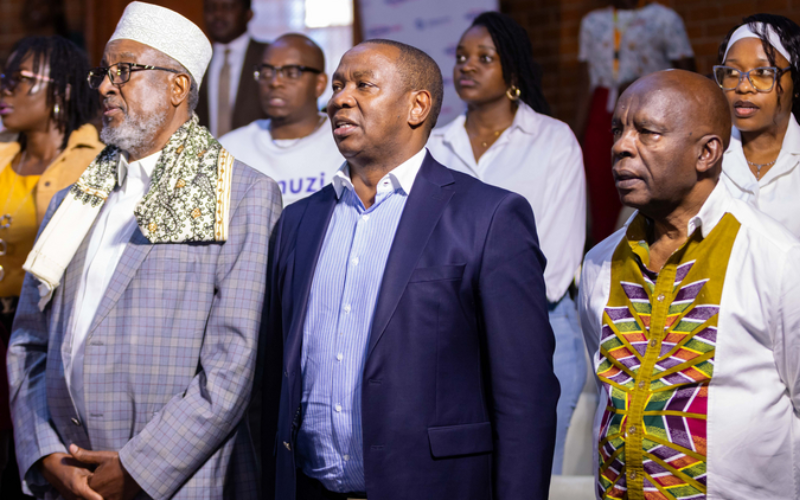
"In the mind of a religious leader, if you see that silence is going to create more chaos, more injustice and probably bloodshed, I think you have to stand up and you have to be counted," National Muslim Leaders Forum chairman Sheikh Abdullahi told the forum.
With young people making up three-quarters of Kenya’s population, West Pokot Youth Senate Leader Jackline Cheruto Kibet rejected using youth as political tools.
"We must demystify the notion that the youth are tools," Kibet said. "We are not to be weaponised, but we are decision makers and we should be in those nominations."
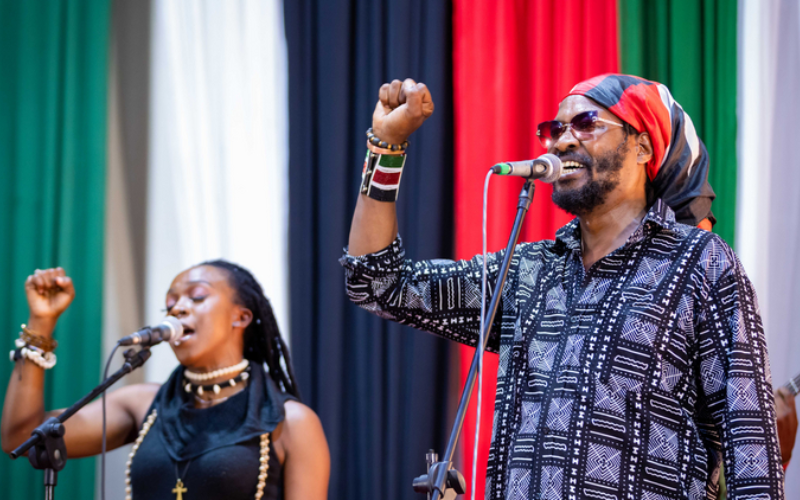
The event also featured the Wall of Wishes, an art installation capturing public expectations ahead of the polls and underscoring the responsibility of journalists to cover elections peacefully.
Subscribe to our newsletter and stay updated on the latest developments and special offers!