×

The Standard e-Paper
Kenya's Bold Newspaper





Audio By Vocalize
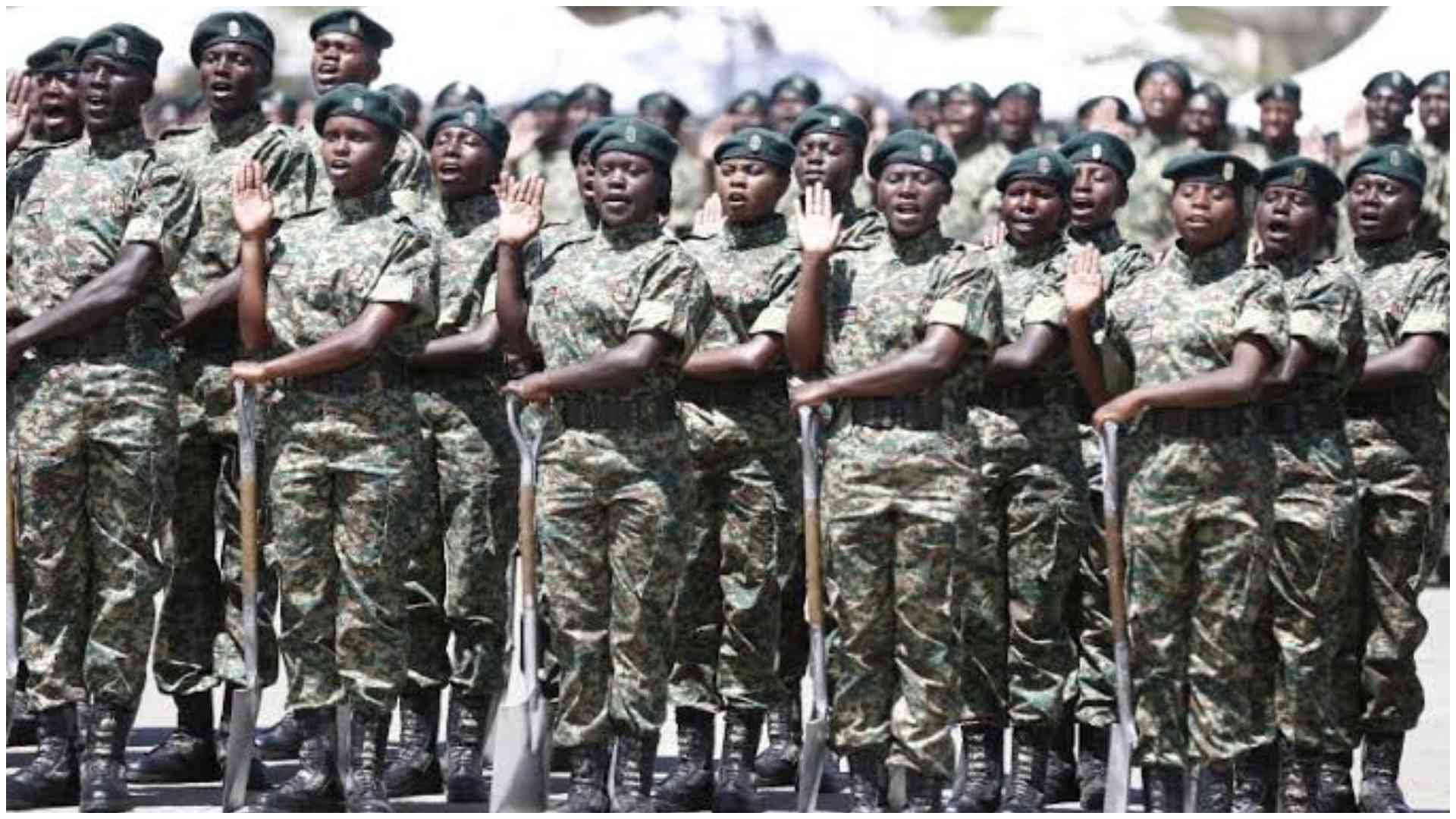
Thousands of men and women in the National Youth Service are living in squalid conditions despite playing a key role in keeping order in government installations.
The officers also play key roles during disasters in the country yet retire to their homes, some without food, shelter and medication, the taskforce led by retired Chief Justice David Maraga established.
NYS officers are regularly called upon to assist National Police Service and Kenya Defense Forces in joint operations and are potential members of the KDF reserve.
However, the findings lay bare how the officers are struggling to make ends meet despite being subjected to rigorous training, just like officers from the National Police Service.
The technical team explored three key areas where the NYS officers have been neglected, among them mental health, medical compensation, housing and their outfits.
More worrying is that some of the officers who die in line of duty are not compensated like their counterparts in the disciplined forces.
For instance, between 2012 and 2022, 18 NYS uniformed officers were killed and 13 were injured in the line of duty but their families had not been compensated by 2023 when the report was handed over to the Head of State.
The report says NYS officers do not have a comprehensive medical insurance scheme and the push to develop a scheme pursuant to the NYS Strategic Plan 2019 – 2023 has not been implemented.
“It was submitted that even servicemen and women in the field units often lack basic medical amenities or aid that would enable them to get treatment for minor ailments or injuries,” the report says
About a decade ago, NYS officers were involved in building a wall in Mandera to tame terrorism attacks and were also involved in Linda Nchi operations in Boni forest under the Kenya Defense Forces.
“However, while KDF officers are armed and have comprehensive compensation schemes and medical cover, the servicemen and women have neither,” the report says
In the 2022 general elections one serviceman lost his life in the fracas that erupted during the elections, which highlights the risks these valuable servants of the nation regularly face.
The taskforce established that, given the nature of work done by the servicemen and women, and the risks they are exposed to, it was unreasonable that they do not have a medical cover to enable them receive treatment when they fall sick or suffer injuries.
Among the recommendations by the experts were that the Service ought to establish fully equipped medical facilities, including a Level Four hospital and dispensaries in every field unit and station to provide medical aid.
Subscribe to our newsletter and stay updated on the latest developments and special offers!