×

The Standard e-Paper
Truth Without Fear





Audio By Vocalize
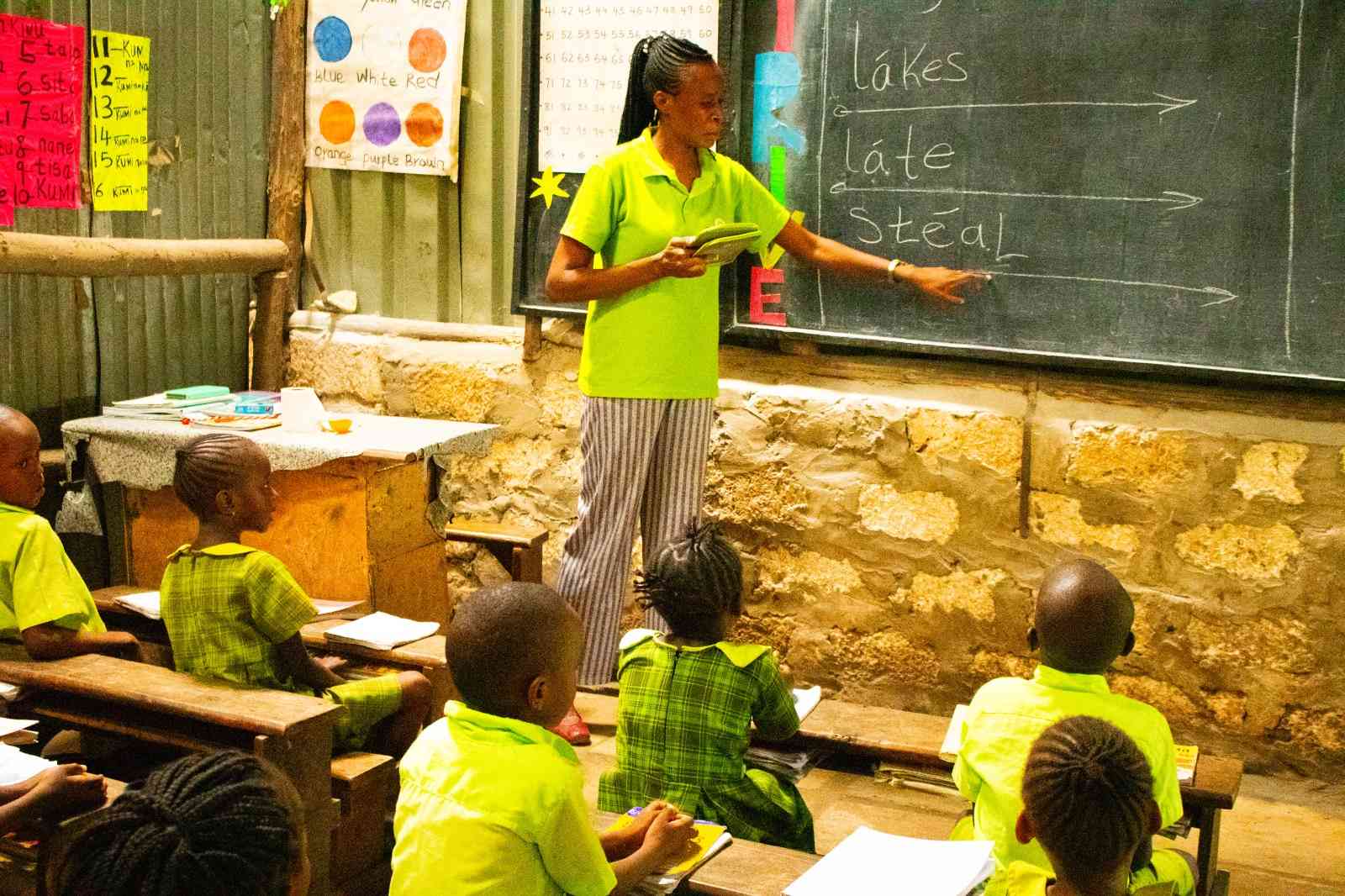
Nine in 10 children in sub-Saharan Africa face learning poverty, with 89 per cent unable to read and understand a simple text by the age of 10, according to the World Bank.
The figure is putting pressure on education leaders to shift attention from simply getting children into school to ensuring they acquire basic skills once they are in the classroom.
The challenge highlights the gap between school enrolment and actual learning, despite efforts over the past two decades to expand access to education.
For Bridge International Academies Foundation, addressing the gap starts with teachers.
The organisation’s Group Managing Director, Reuben Mwangi, says sustained teacher training, classroom coaching and better teaching tools can help improve learning outcomes.
“What closes that gap is a teacher who is well trained, equipped with strong tools and supported week after week. Every other investment in education depends on that relationship,” Mwangi says.
Bridge provides education in underserved communities in Kenya and says it has trained more than 19,410 teachers and school leaders through its capacity-building programmes.
Mwangi says well-trained and supported teachers are better placed to identify struggling pupils, adjust lessons and provide targeted support.
“At Bridge International Academies Foundation, we see this every day. Pupils with well trained and supported teachers learn more,” he says.
The organisation’s training focuses on four areas: lesson delivery, checking whether pupils understand the work, giving feedback and motivating learners.
Teachers practise the skills during training before trainers observe them in classrooms and provide feedback. Coaching continues after teachers return to their classrooms.
The approach also seeks to keep pupils engaged during lessons. Teachers give children time to think before answering questions, move around classrooms to identify those who need help and use questioning techniques to keep learners involved.
Technology is also used to support teaching, with digital tablets containing lesson guides aligned with Kenya’s Competency Based Education system.
The tablets provide information that can help teachers identify pupils who are falling behind and respond before learning gaps widen.
“Technology supports all of this, but it never replaces the teacher,” Mwangi says.
An independent study led by Nobel laureate Professor Michael Kremer found that children in Bridge schools in Kenya gained 53 per cent more learning across their pre-primary and primary years, according to the organisation.
Bridge says the study also found that after two years, primary pupils had gained an additional year of learning compared with pupils in other schools, while pre-primary pupils recorded a gain of nearly one and a half years.
The organisation also reported that 88.64 per cent of its primary learners met or exceeded expectations in their 2025 level examinations.
Mwangi says education investment should focus not only on the resources allocated to schools but also on how effectively those resources reach classrooms and improve learning.
“Classroom data should help teachers understand where pupils need support, rather than become another mechanism for policing performance,” he says.
He called on governments to strengthen teacher preparation and professional development, while schools and education organisations provide teachers with the time, tools and coaching needed to improve their practice.
He also urged parents, communities and employers to help strengthen the status of teaching as a profession.
“Enrolment opened the door. Teachers are how children walk through it and learn,” Mwangi says.
Subscribe to our newsletter and stay updated on the latest developments and special offers!