×

The Standard e-Paper
Read Offline Anywhere





Audio By Vocalize
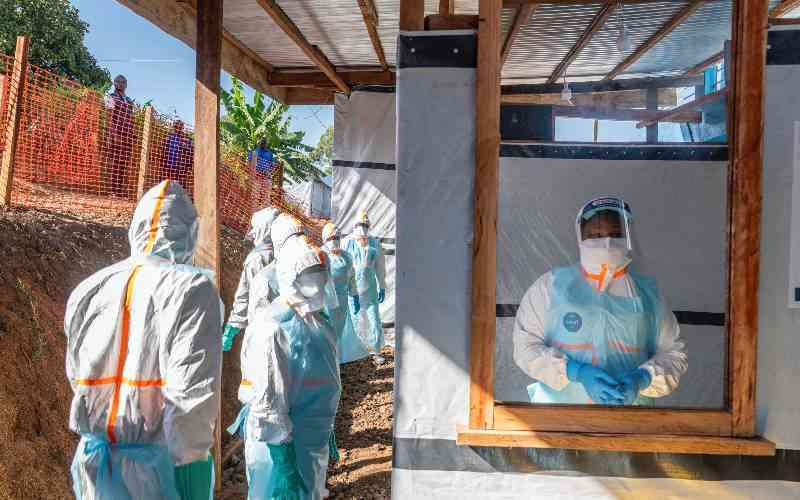
Every nation has a duty to protect its citizens. That duty is neither controversial nor negotiable. Governments exist, in part, to safeguard lives, health, and security of the people they serve. It is therefore understandable that the US government would seek to protect Americans from exposure to Ebola, one of the most lethal infectious diseases.
What is difficult to understand is the logic behind proposed establishment of an Ebola quarantine facility in Kenya for individuals whom the US itself does not want on its own soil.
The controversy has triggered concern, not because Kenyans oppose international cooperation in public health, but because it raises difficult questions about sovereignty, equality, transparency, and the value placed on African lives in global decision-making.
Reports indicate that the proposed facility would be established at Laikipia Air Base and would quarantine exposed individuals before symptoms appear. The stated objective is to prevent exposed persons from entering the United States while keeping them under observation and care. To Washington, that may appear pragmatic. To Nairobi, it appears profoundly contradictory.
If Ebola poses enough risk to justify keeping exposed individuals away from the United States, why should the same risk be acceptable for Kenya? That question explains the public discomfort.
The issue is not whether Kenya can contribute to international health responses. Kenya has a proud history of humanitarian engagement and regional leadership. Its medical professionals have previously shown competence, courage, and professionalism during public health emergencies.
The issue is whether Kenya is being asked to assume risks that wealthier nations are unwilling to bear themselves. That distinction matters.
Many Kenyans see a world order in which wealthy countries externalise danger while retaining safety, outsource risk while keeping protection, and expect poorer nations to absorb burdens they would never accept domestically.
Even if that is not the negotiators’ intention, perception matters in public policy. Trust matters. Legitimacy matters. A facility dealing with a highly contagious and deadly disease cannot be treated as an ordinary diplomatic project negotiated quietly. It touches citizens’ rights to life, health, security, and information.
That is why the legal concerns raised by civil society deserve attention. Were citizens consulted? Was Parliament involved? Were risks assessed and communicated? Were independent public health experts allowed to scrutinise the proposal before commitments were made? These are not technicalities. They are safeguards in a democracy.
The High Court’s intervention reflects this concern. Constitutional governance requires that decisions affecting public welfare be subject to scrutiny, accountability, and public participation. The concerns expressed by healthcare professionals are equally important.
Doctors are not politicians. Their objections carry weight because they arise from professional experience rather than partisan interest. When healthcare workers question whether Kenya has sufficient high containment infrastructure and preparedness capacity, their concerns deserve consideration.
One troubling aspect is reciprocity. If such a facility is established in Kenya, who exactly does it serve? Reports suggesting that it would primarily accommodate Americans exposed to Ebola have generated resentment. Kenyans reasonably ask why a health facility that poses risks to local communities should not also serve Kenyan citizens when needed.
The question goes beyond healthcare. It touches dignity. Citizens resist arrangements that suggest foreign lives are prioritised while local populations merely host the risks. No sovereign nation should place itself in a position where its citizens feel like spectators in decisions affecting their own safety.
The principle should be simple. If a health facility is safe enough for Kenya, it must meet the highest international standards, be subject to public scrutiny, comply with constitutional requirements, and serve all people equally.
Global health security cannot rest on unequal notions of whose lives deserve protection. The fight against Ebola should unite humanity, not divide it. For Kenya, the debate is larger than one facility. It is about sovereignty, transparency, constitutional governance, and a simple principle.

Subscribe to our newsletter and stay updated on the latest developments and special offers!