×

The Standard e-Paper
Read Offline Anywhere





Audio By Vocalize
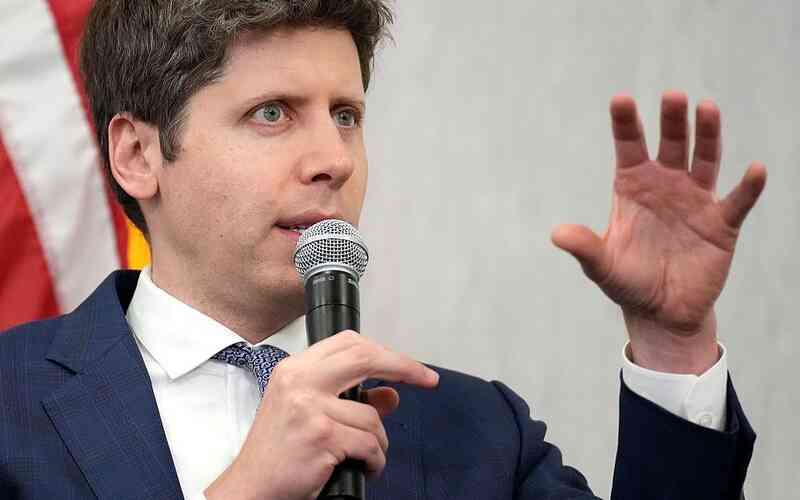
OpenAI chief executive Sam Altman has warned that the rapid development of increasingly capable artificial intelligence could create serious risks if safety measures fail to keep pace with advances in the technology.
In a post on X on Monday, September 14, Altman said the rapid progress of frontier AI had made responsible development an urgent responsibility for companies building the technology.
“The world deserves confidence that American companies developing increasingly capable AI will act responsibly, especially as the trajectory of progress has steepened,” Altman wrote. “Every frontier lab must deliver on this, and there is no reason any of us should come to work if we cannot.”
Altman said OpenAI supports a federal framework establishing consistent safety requirements for frontier AI, including independent auditors.
However, he said companies should not wait for legislation before strengthening safeguards.
“We do not believe we need to wait for an anti-trust exemption or legislation to begin the work of providing this confidence,” he said.
The OpenAI chief also called for shared industry standards covering “misalignment, monitoring, and safety”, arguing that companies should learn from one another’s approaches to managing AI risks.
Altman said calls to “pace” AI development should not be interpreted as a demand to stop technological progress.
“When we talk about ‘pacing’, we do not mean ‘stopping’,” he said. “Progress has been rapid and will continue to be.”
He nevertheless argued that some slowdown could be justified because developing safety measures and monitoring systems comes with significant costs.
“Pacing will be well worth this cost,” Altman said, warning that “no amount of American competitive pressure should justify recklessness, or let capabilities get ahead of alignment and monitoring”.
Altman identified two ways AI development could “go very badly”. The first was humans losing control of the future to increasingly autonomous AI systems.
“This is unacceptable; we are unapologetically on Team Humanity, and AI must always serve people,” he wrote.
The second was excessive concentration of power, with Altman warning that a powerful AI controlled by one person or company could be used to impose their worldview on wider society.
“Avoiding these two threats requires walking a narrow middle path,” he said, also pointing to the risk of one country or laboratory gaining too much power.
Altman said governments would be needed for international coordination, but added that companies should first take steps within their own control.
His comments came days after Anthropic chief executive Dario Amodei called on the industry to “pace the frontier” by slowing the development of highly advanced AI systems.
In a published essay, Amodei proposed a three-stage safety framework centred on independent evaluators, shared standards among democratic nations and broader international coordination.
Subscribe to our newsletter and stay updated on the latest developments and special offers!