×

The Standard e-Paper
Kenya's Bold Newspaper





Audio By Vocalize
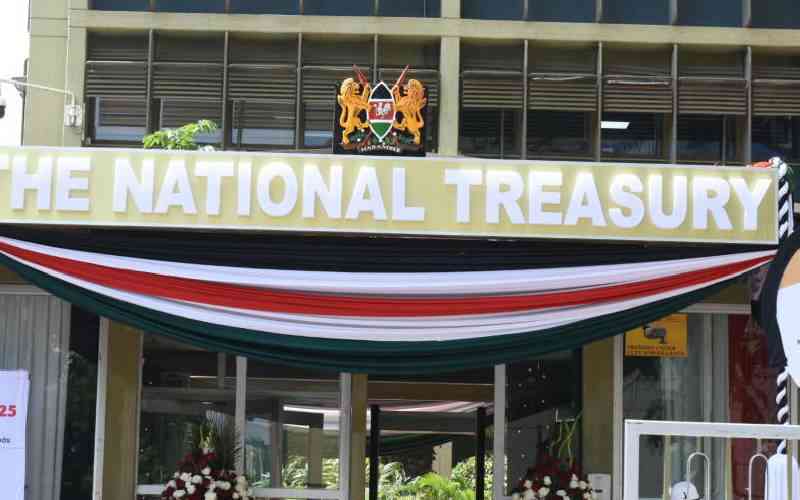
For more than a decade, ordinary Kenyans have woken up to a relentless cycle of economic tightening. They have paid higher taxes at the pump, watched their payslips shrink under new levies, and adjusted household budgets to survive the rising cost of food. The official justification from the state has remained unchanged. Kenya must pay its debts.
But as public and publicly guaranteed debt rises to nearly Sh13 trillion, a troubling paradox emerges. If the country has borrowed so aggressively since 2013, where is the structural transformation to show for it?
The basic promise of borrowing is that today’s loans finance tomorrow’s prosperity. When a government borrows to build infrastructure, improve agriculture, strengthen health systems, or expand human capital, growth should eventually help repay the debt. In Kenya, that logic has broken down.
Instead of a thriving economy, essential services remain under strain. Public hospitals still face shortage of medicines, equipment, and fair compensation for health workers, forcing citizens to pay out of pocket despite new insurance reforms. Schools remain underfinanced, leaving institutions struggling with transition pressures, overcrowding, and inadequate learning materials. Millions of educated and skilled young Kenyans enter the labour market every year only to find an economy unable to absorb them. The promised industrial and digital jobs have not emerged at the scale required to defuse this demographic crisis.
When a country borrows trillions while hospitals remain broke, schools underfunded, and youth unemployed, public capital has bypassed the people. The pairing of heavy borrowing with punitive taxation resembles an extraction machine.
A significant portion of the debt accumulated over the past decade deserves deep, independent scrutiny. In international legal and moral philosophy, the concept of odious debt describes liabilities incurred by a regime for purposes that do not serve the nation, often without meaningful consent, and with creditors aware of the circumstances.
Kenya must be careful with that language. Not every bad loan is odious. Not every failed project is fraudulent. But where loans are diverted through inflated procurement, opaque infrastructure pricing, political patronage, or outright theft, citizens are entitled to ask whether they should carry the full burden. Debt that enriches private actors while impoverishing the public violates financial justice.
The concern is sharpened by aggressive interest costs, rollovers of commercial borrowing, and opaque bilateral arrangements. Without a transparent, line by line audit, the state risks throwing good public money after bad. It continues to prioritise bondholders and powerful lenders while asking citizens to absorb higher taxes, weaker services, and reduced purchasing power.
National sovereignty belongs to the people, not to administrations that temporarily occupy state offices. No government has the moral authority to bind generations to financial chains whose legality, value, and public benefit is unclear.
True financial accountability cannot be optional or postponed. A responsible governance framework must commit to a comprehensive review of all outstanding sovereign debt agreements. That review should rest on four pillars.
First, transparency of terms. Every loan agreement, including bilateral infrastructure deals and Eurobonds, must be laid before Parliament and the public.
Second, verification of utilisation. Lenders and state agencies must show that disbursed funds correspond to physical, verified projects that yield public value.
Third, repudiation of illegitimate claims. Any debt component found to be illegal, corrupt, or unrelated to public benefit must be challenged, with the burden pushed onto facilitators, corrupt officials, and beneficiaries rather than taxpayers.
Fourth, debt ceilings with real consequences. Future borrowing must be tied to productivity and approved only after a clear socio-economic impact assessment.
The current trajectory is unsustainable. Punitive taxation, combined with declining public services, creates conditions where businesses close, investment retreats, and households fall deeper into poverty. A country cannot tax itself into prosperity while paying for ghost projects, inflated contracts, and political vanity.
The economic dignity of Kenyans must be restored. That requires a shift from passive acceptance of global financial pressure toward a firm defence of domestic welfare.
Subscribe to our newsletter and stay updated on the latest developments and special offers!