×

The Standard e-Paper
Informed Minds Prefer The Standard





Audio By Vocalize
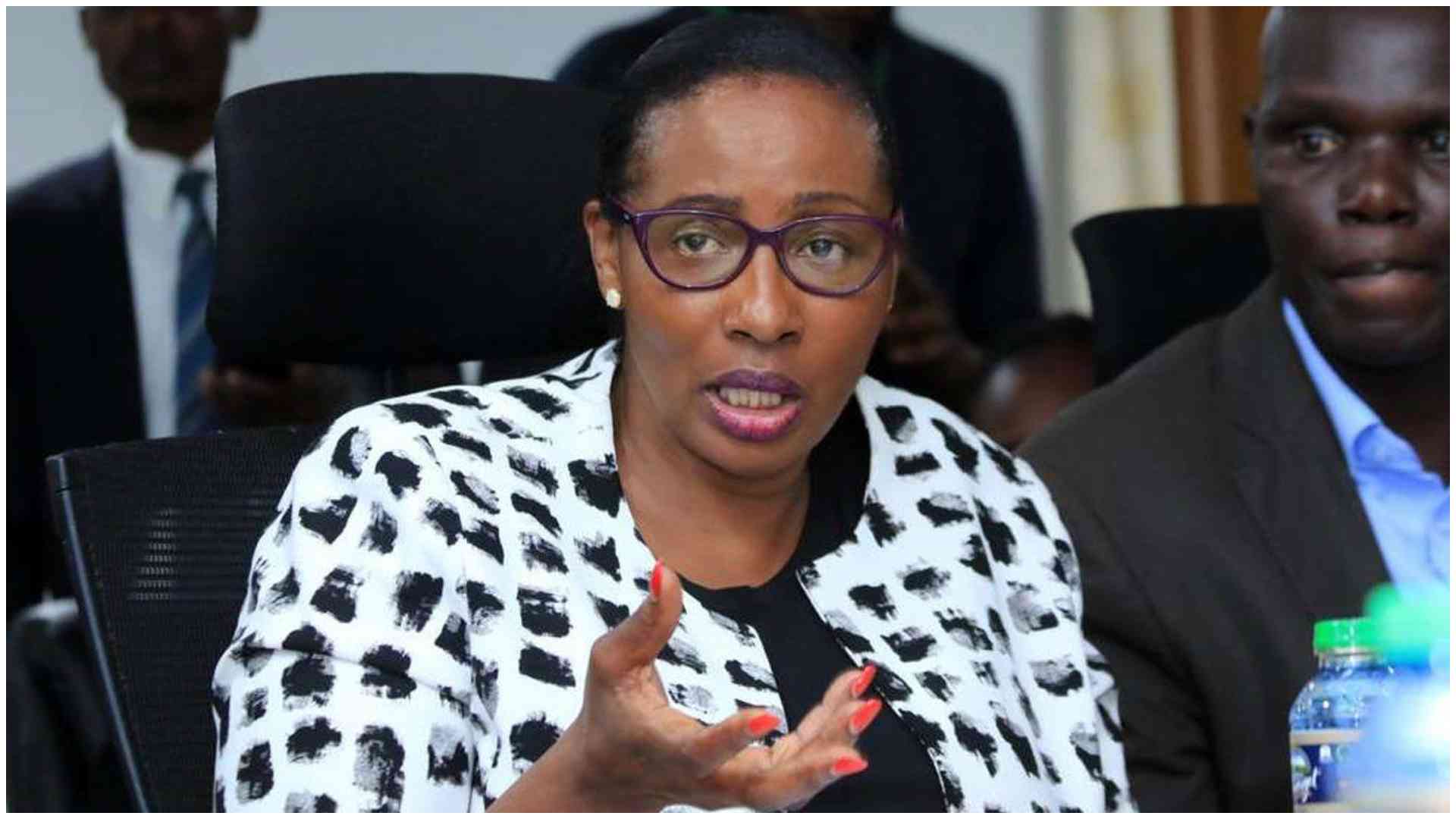
The erosion of moral values is the greatest challenge facing the country, according to legislator Beatrice Elachi who is advocating for entrenchment of accountability and integrity. she shares her views on ODM-UDA cooperation, education, teacher welfare and the two-thirds gender rule.
Kenyans are more informed than ever. Why do they still seem vulnerable to political manipulation?
Kenyans are informed, but we still struggle with a culture of individualism. Too often, we fall back on the mindset that if I benefit, then everything is fine. Once people achieve personal gain, they often abandon the broader agenda. That is one of our greatest challenges as a country. We rarely think about sustaining reforms for future generations. People can rally behind a cause for a few days, but once they secure individual benefits, commitment fades. We must move from individual gain to collective responsibility.
Did ODM abandon its founding principles by entering into a cooperation arrangement with UDA?
The bigger question is whether Kenyans believed ODM alone could permanently carry the mantle of opposition because of Raila Odinga’s presence. Raila became the face of opposition politics for decades. But if he had won the presidency, would Kenya have ceased to have an opposition? The real issue is whether democratic institutions continue functioning regardless of who is in power. We spoke about reducing the cost of living, governance reforms and accountability. Are these commitments being implemented, or are they merely remaining on paper? That is the true test.
Yet many argue that democracy requires a clear distinction between government and opposition.
Kenya has a unique political history. We have repeatedly witnessed post-election cooperation arrangements. The challenge is whether our institutions are strong enough to guarantee accountability regardless of political alignments. Parliament was designed to oversee government through committees and legislative processes. The Constitution envisages a system where institutions, not individuals, drive accountability. Strong institutions protect democracy, not political slogans.
Why is the issue of inequity in public service employment, particularly teacher recruitment, important?
Because equity matters. Some regions continue to experience severe teacher shortages while others are comparatively well staffed. We must ask why certain schools rely heavily on Board of Management teachers while others have adequate Teachers Service Commission (TSC) staffing. Recruitment must be transparent, equitable and based on clear criteria so that every region receives its fair share.
What do you believe is wrong with the current system?
The challenges facing teachers go beyond recruitment. They extend to promotions, transfers and welfare. TSC must establish clear and transparent promotion criteria. Years of service, performance and commitment should count. Many teachers have dedicated their lives to the profession, but remain in the same job group for years. Others are transferred despite significant financial obligations and family responsibilities.
Have elected leaders failed the country?
In some ways, yes. We have failed to fully understand the realities facing many families. As leaders, we sometimes assume we know what communities need. Yet direct engagement often reveals very different challenges. I still believe education is the greatest tool for transformation. However, when you visit homes and ask why children are not attending school, you discover complex social and economic realities.
Do communities reject solutions because their priorities differ from those proposed by leaders?
This challenge is not unique to one area; it is widespread across Nairobi and many other parts of Kenya. Education requires a holistic approach. It is not enough to provide bursaries worth Sh5,000 or Sh10,000 and expect a child to complete their education. Communities, families, leaders and institutions must work together. Parents can provide books, uniforms and emotional support. Leaders can offer bursaries. Civil society and well-wishers can identify bright but needy students. Education is everybody’s responsibility. We must also recognise that some young people leave school because of social pressures, family breakdown, drugs and hopelessness. These issues require interventions beyond the classroom.
School land ownership remains a thorny issue in Nairobi. Does this pose a security risk to learners?
Without title deeds, schools cannot expand, build infrastructure or provide safe learning environments. Many institutions remain vulnerable to land grabbers and cartels that forge documents and attempt to seize public land. It is unacceptable that individuals can invade school compounds and begin illegal developments. Yet this continues to happen. School administrators are left frustrated while development projects stall. Schools should be centres of learning, not battlegrounds for land disputes.
The two-thirds gender rule has remained unresolved for years. Why has Kenya struggled to implement it?
The challenge begins with elective representation. Only a relatively small number of women are elected directly to Parliament. When compared with the total number of elective positions, it becomes clear why meeting the constitutional threshold remains difficult. The solution requires more than legislation. We must mentor female leaders, support young women entering politics and remove barriers that discourage participation.
Kenya continues to witness alarming cases of gender-based violence and femicide. What is driving this trend?
During the “Voices of Kenya, Our Nation, Our Future” dialogue, one conclusion stood out clearly: Kenya is facing a moral and character crisis. Participants from religious organisations, the legal profession, business and civil society agreed that the erosion of values is among the greatest threats facing the country. Governments must strengthen preventive interventions and ensure survivor-centred responses, and families, communities and institutions must also play their part.
What is your bottom-line message to Kenyans?
We must refocus on a vision bigger than politics and personal interests. We need to rebuild patriotism, accountability and inclusion. The greatest challenge facing Kenya today is not a lack of laws or institutions. It is the erosion of character. If we restore integrity, responsibility and patriotism, many of our problems, from corruption and inequality to violence and mistrust, will begin to diminish. That is the conversation Kenya must have.
Subscribe to our newsletter and stay updated on the latest developments and special offers!