×

The Standard e-Paper
Informed Minds Prefer The Standard





Audio By Vocalize
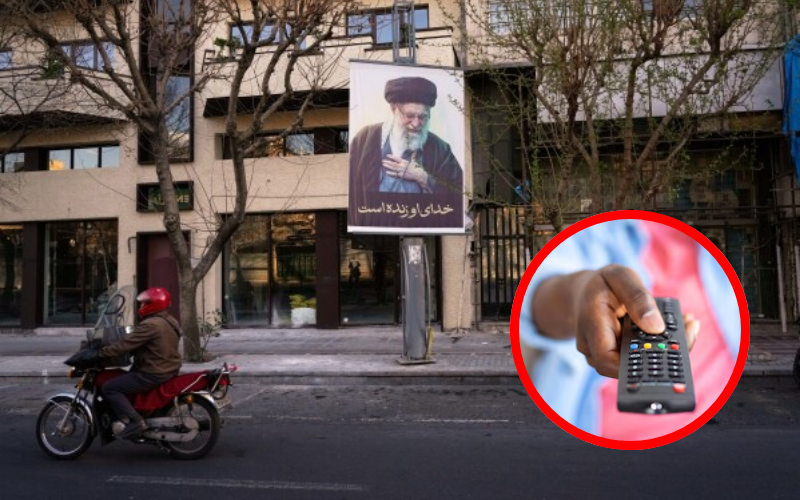
Iran’s state television was reportedly briefly hacked, airing speeches by US President Donald Trump and Israeli Prime Minister Benjamin Netanyahu as military tensions escalated sharply in the region.
According to MSN and Iran International, the disruption on Sunday followed reported joint US-Israeli air strikes targeting Tehran, including the headquarters of the state broadcaster, and coincided with other alleged cyberattacks on Iranian media platforms.
Authorities in Tehran have not officially confirmed the breach, but videos of the interruption spread rapidly on social media, drawing widespread attention.
Multiple reports indicate that several Iranian state television networks were compromised, with footage of Trump and Netanyahu appearing between regular programming segments. Iran International said the IRIB satellite feed was taken over for several minutes.
During that time, speeches addressed directly to the Iranian public were broadcast, accompanied by visuals of strikes on sensitive locations, including areas reportedly linked to Supreme Leader Ali Khamenei’s office.
The sudden switch from routine programming to politically charged content startled viewers and intensified speculation about the scale and sophistication of the attack. Iranian officials have yet to verify the incident or provide details on how the breach occurred.
The television hack comes amid what has been described as a broader wave of cyberattacks targeting Iranian state-affiliated media following the air strikes. SUCH TV reported that several major news agencies and online platforms, including IRNA and ISNA, experienced technical disruptions or were temporarily inaccessible.
Iranian outlets linked the cyber incidents to the ongoing military escalation, framing them as part of a coordinated pressure campaign. No individual or group has claimed responsibility for the attacks.
This is not the first time Iranian state television has experienced interference. In January, hackers disrupted satellite transmissions to air messages supporting Iran’s exiled crown prince and urging security forces not to attack civilians.
That episode followed nationwide protests and highlighted what analysts describe as a recurring pattern of cyber disruptions during periods of heightened political and military unrest.
Subscribe to our newsletter and stay updated on the latest developments and special offers!