×

The Standard e-Paper
Truth Without Fear





Audio By Vocalize
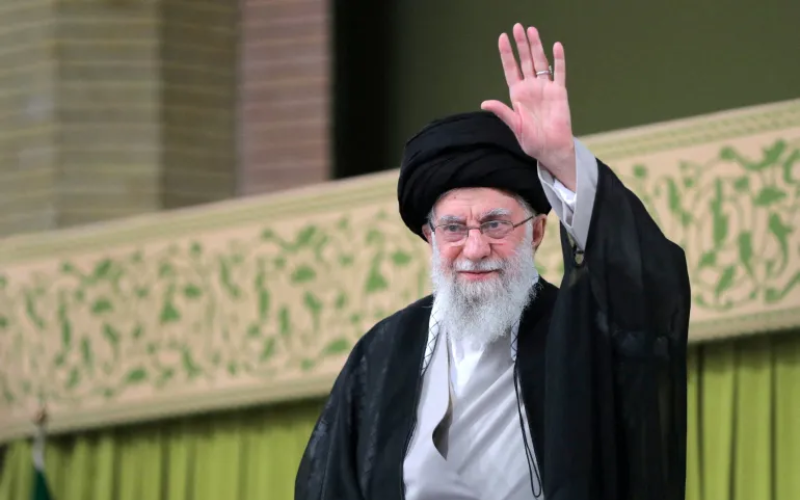
Ayatollah Ali Khamenei shaped modern Iran from the pulpit, the battlefield, and ultimately from the apex of a theocratic state, crafting a political doctrine rooted in resistance, religious authority, and institutional control.
For more than three decades as supreme leader, he stood as the Islamic Republic’s ultimate decision maker, overseeing its military strategy, foreign policy, judiciary, and state media.
His tenure, which began in 1989, became one of the longest and most consequential leaderships in the Middle East, defining Iran’s posture at home and abroad well into the 21st century.
Born in 1939 in Mashhad, north-eastern Iran, Khamenei grew up in what he later described as a “poor but pious” household. His father was a mid-ranking Shia cleric.
Educated primarily in Quranic studies, he qualified as a cleric at just 11 years old. Yet his ambitions extended beyond theology.
As reported by the BBC and Al Jazeera, he became politically active early, joining opposition movements against the Shah of Iran years before the 1979 Islamic Revolution.
His activism came at a cost. He was arrested six times, tortured, and internally exiled by the Shah’s regime. The struggle against the monarchy forged his political identity and tied him closely to Ayatollah Ruhollah Khomeini, the architect of the revolution that would remake Iran.
After the 1979 upheaval, Khamenei rose swiftly within the new Islamic Republic. He was appointed Tehran’s Friday prayer leader, using sermons broadcast nationwide to consolidate influence and frame the revolution’s ideological direction.
In 1981, he survived an assassination attempt when a bomb hidden in a tape recorder exploded during a speech. The blast left him permanently paralysed in his right arm. Later that year, following the assassination of President Mohammad Ali Rajai, Khamenei was elected president with overwhelming support.
His presidency unfolded during the brutal Iran-Iraq War initiated by Iraqi leader Saddam Hussein. According to Al Jazeera, the eight-year conflict deepened Khamenei’s distrust of the West, particularly the United States, which he believed backed Iraq.
The wartime experience reinforced what analysts described as his enduring conviction that Iran must remain in a constant state of defence.
When Khomeini died in 1989, the Assembly of Experts selected Khamenei as supreme leader, despite debate over his clerical rank at the time.
Over the years, as the BBC reports, he constructed an extensive network of loyalists across parliament, the judiciary, the media, and the armed forces. Under his leadership, the Islamic Revolutionary Guard Corps expanded into a dominant political, security, and economic force.
Domestically, his rule was defined by tight control and periodic unrest.
The BBC highlights crackdowns on protests in 1999, 2009, 2019, and 2022, including the demonstrations that followed the death of Mahsa Amini. Human rights groups reported hundreds killed and thousands detained. Al Jazeera noted that critics increasingly portrayed him as disconnected from a young population demanding economic reform and broader social freedoms.
On the international stage, Khamenei presided over decades of fraught relations with the West. He authorised Iran’s participation in the 2015 nuclear agreement but remained deeply sceptical of US intentions, particularly after US President Donald Trump withdrew from the deal in 2018.
Ayatollah Ali Khamenei has died at the age of 86, according to announcements first made by President Trump and later confirmed on Iranian state television.
His passing closes a chapter that began with revolution and war and leaves Iran confronting what observers describe as a new and uncertain phase, both domestically and across the wider region.
Subscribe to our newsletter and stay updated on the latest developments and special offers!