×

The Standard e-Paper
Kenya's Bold Newspaper





Audio By Vocalize
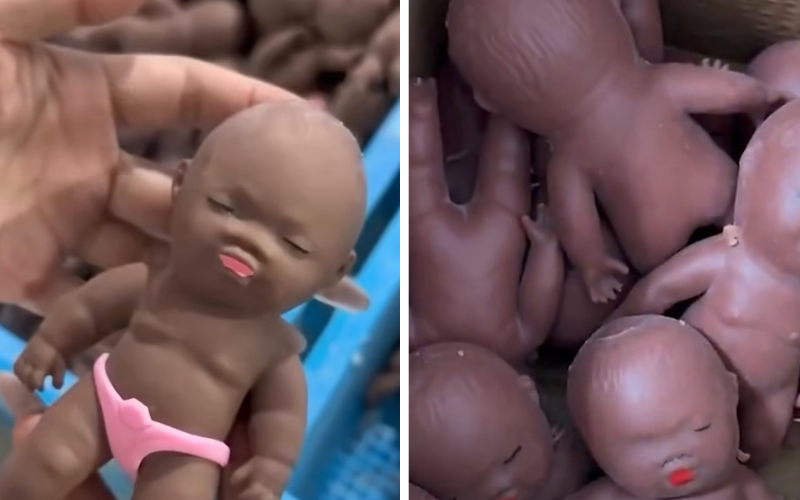
The term “Natasha dolls” has become the centre of a global controversy following the emergence of a disturbing social media trend involving silicone stress-relief toys.
The name, once loosely associated with children’s merchandise and the Netflix series Russian Doll, is now tied to widespread outrage over allegations of racial bias and online cruelty.
According to investigative reporting by OkayAfrica, the controversy centres on a line of novelty decompression toys shaped like stylised infants.
The dolls, marketed in a range of skin tones, went viral on Chinese social commerce platforms including Douyin and Xiaohongshu, where they became the focus of a troubling trend.
Video clips, also reported by TNX Africa, show users violently interacting with the darker-skinned versions of the dolls, stomping, tearing and crushing them in what was described as a form of stress relief.
The backlash intensified after an online commentator in China was quoted by OkayAfrica as suggesting that lighter-skinned versions of the doll looked “too human” to be subjected to similar treatment, a remark that triggered widespread anger across Western and African social media spaces.
Reactions have been sharply divided.
Critics describe the videos as dehumanising and racially charged. On X, user Dina wrote: “I am questioning why people are choosing to target Black dolls for such extreme violence.”
Others downplayed the controversy, arguing the toys were being misinterpreted.
“I don’t see the problem. It’s just a toy,” Alec wrote on X.
Another user, Betty Spring, said: “Race aside, I’m still trying to wrap my head around why a full-grown adult would torment a baby doll for stress relief.”
The incident has since escalated from a niche online trend into a broader debate on race, representation and digital culture.
Subscribe to our newsletter and stay updated on the latest developments and special offers!