×

The Standard e-Paper
Home To Bold Columnists





Audio By Vocalize
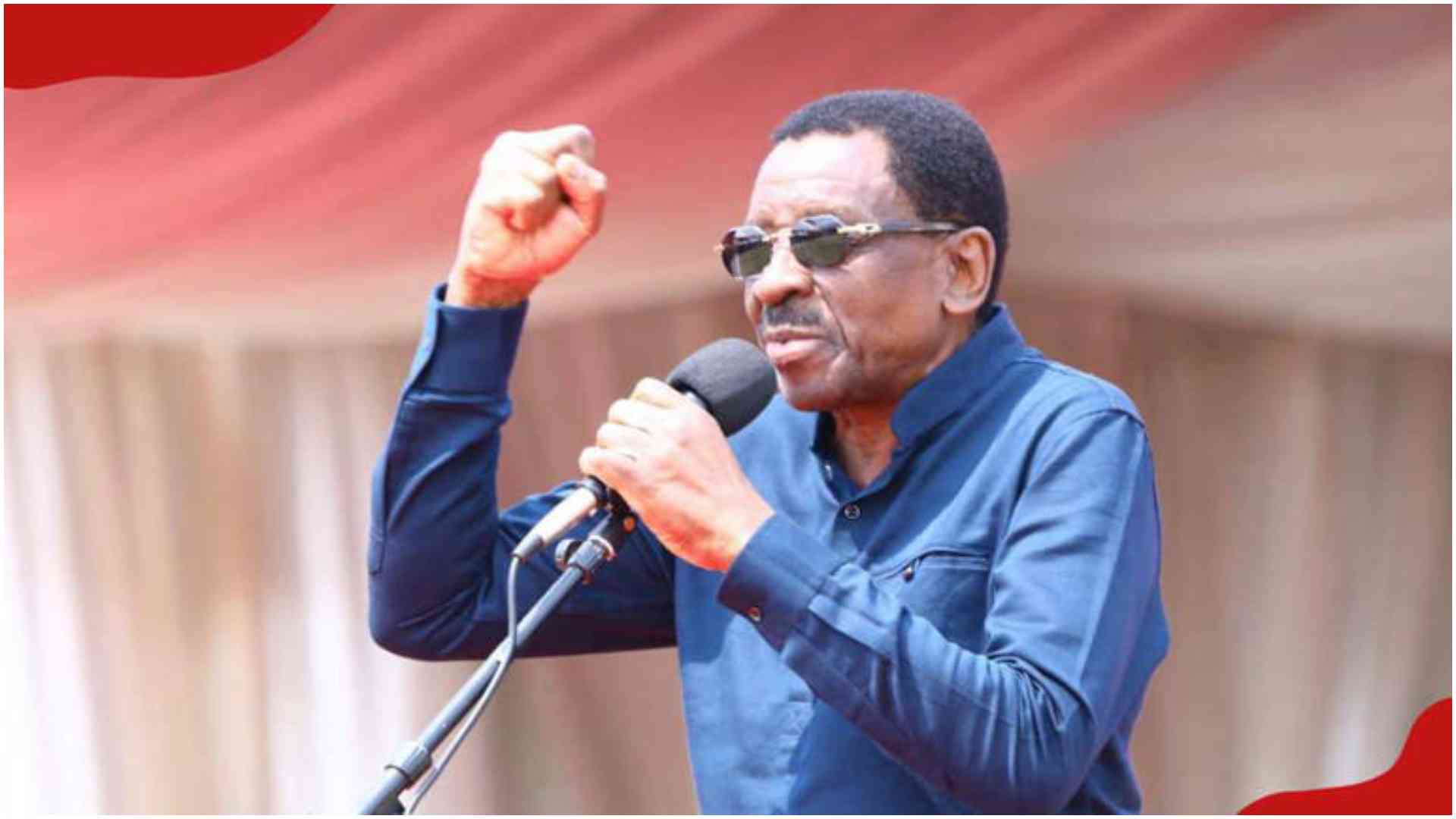
Siaya Governor James Orengo has sharply criticised the latest hike, accusing regulators of “gaslighting” taxpayers and running an opaque pricing system that burdens ordinary citizens.
Orengo took aim at the Energy and Petroleum Regulatory Authority (EPRA), arguing that the recent increase in fuel prices was not only economically painful but also an affront to public trust.
His remarks come in the wake of a significant fuel price adjustment that has already triggered higher transport costs and deepened concerns over Kenya’s rising cost of living.
“The current economic landscape isn't just a challenge; it’s a masterclass in gaslighting the Kenyan taxpayer. Yesterday, EPRA didn't just hike fuel prices they insulted our collective intelligence,” he said.
He linked the price hike to recent reports of contaminated fuel in the market, describing the situation as a “cruel irony” where motorists are forced to pay more even as they face uncertainty over fuel quality.
The current economic landscape isn't just a challenge; it’s a masterclass in gaslighting the Kenyan taxpayer. Yesterday, EPRA didn't just hike fuel prices they insulted our collective intelligence.
After weeks of motorists playing Russian Roulette with contaminated "fake fuel"…— James Orengo (@orengo_james) April 15, 2026
He argued that Kenyans are being pushed into a system where they shoulder risks without corresponding accountability from regulators.
“We are no longer just fueling our cars, we are fueling a bloated, detached system where the math simply refuses to add up because the variables are hidden from the public eye,” he added.
At the heart of his criticism is a demand for transparency.
Orengo has called on EPRA to immediately publish the full Cost of Service Study used to determine fuel pricing, questioning why such a critical sector operates without the level of public participation seen in electricity tariff reviews.
He further challenged the current model of administrative price setting, claiming it benefits industry players while locking consumers into a cycle of artificially high costs.
“If electricity tariffs require public participation and stakeholder input, then the lifeblood of our transport sector should not be managed behind closed doors,” he posed
According to him, restoring genuine competition in the petroleum market would be a more effective way to protect consumers and improve efficiency.
His comments tap into growing public frustration as rising fuel costs ripple through the economy, pushing up transport fares and the price of basic goods.
Subscribe to our newsletter and stay updated on the latest developments and special offers!