





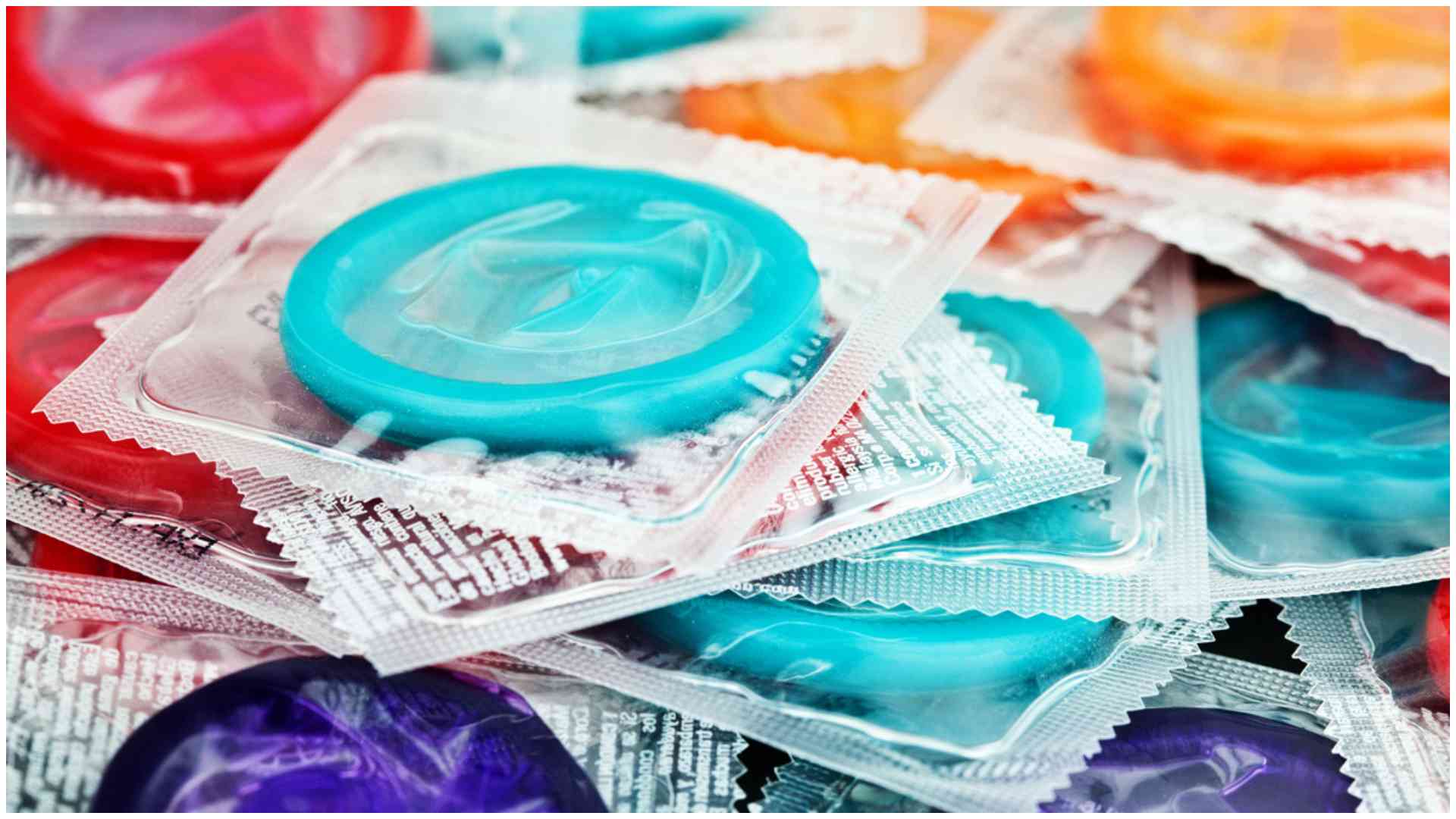
Safe sex could soon become more expensive and less accessible for millions of Kenyans if the ongoing Iran war continues to disrupt global supply chains. What may appear like a distant geopolitical conflict is already sending shockwaves through essential health commodities, with condoms now emerging as an unexpected casualty.
In a recent interview, Karex CEO Goh Miah Kiat, whose company is the world’s largest condom manufacturer, warned that prices could rise by between 20 and 30 per cent depending on how long the disruptions persist.
The conflict has choked key global shipping routes, particularly the Strait of Hormuz, a vital artery for international trade. Since late February, restrictions and rising tensions have slowed the movement of raw materials critical to condom production, including oil-derived components such as ammonia and silicone-based lubricants.
For Kenya, the timing could not be worse. The country is already grappling with a severe condom shortage after USAID cut funding. The looming price increase threatens to push safe sex further out of reach, especially for vulnerable populations.
Health experts warn that the shortage is not just a supply issue; it is a ticking public health crisis that could reverse years of progress in the fight against HIV and other sexually transmitted infections (STIs). Kenya has an annual condom demand of between 400 million and 455 million pieces.
However, the government currently distributes about 200 million annually. Traditionally, the gap has been filled by international donors, particularly USAID and global health organisations. But that safety net is shrinking fast.
Reports now indicate that only about 150 million condoms are currently available in the country, leaving dispensers in public health facilities empty and communities exposed.
The impact will soon be felt on the ground. Sex workers, who rely heavily on consistent condom access, are among the hardest hit. With supplies dwindling and prices rising, many are being forced into risky situations that increase their exposure to HIV and other infections.
Young people and low-income earners, who depend on free or subsidised condoms, are also at risk of being locked out of protection altogether.
The shortage did not begin with the war alone. A major blow came when USAID cut funding, leaving countries like Kenya and Zimbabwe, which are heavily dependent on donor support, facing significant deficits.
Additional reductions in funding from organisations such as the Global Fund and UNFPA have further strained supply chains. As a result, Kenya is increasingly relying on commercial purchases, where costs are often prohibitive for ordinary citizens.
Currently, latex condoms in Kenya retail from around Sh100 for small packs to over Sh2,500 for bulk options. Premium brands can cost between Sh500 and Sh700 for just a three-pack. With a projected price increase of up to 30 per cent, these figures could climb even higher, effectively pricing out those who need them most.
The consequences extend beyond individual risk. Health data is already pointing to a worrying trend. Between July 2025 and January 2026, Aids Healthcare Foundation (AHF) Kenya screened 5,000 clients for sexually transmitted infections across clinics in Parklands, Kangundo Road and Mathare. Of those tested, 300 were diagnosed with syphilis, 290 with gonorrhoea and 250 with chlamydia—a total of 840 cases within just six months. Alarmingly, about 90 per cent of those who presented with symptoms tested positive.
The current condom shortage in Kenya is largely driven by a massive reduction in donor funding. The withdrawal or reduction of support from major international partners like USAID has severely impacted free condom distribution programmes. Kenya’s reliance on these programmes means that when funding stops, the supply chain is disrupted.
Regions such as Uasin Gishu have also reported rising cases of gonorrhoea, further underscoring the growing threat. Without immediate intervention, Kenya could see a surge in HIV infections, increased STI prevalence, and a parallel rise in unintended pregnancies and unsafe abortions.
The crisis also exposes a deeper structural problem: Kenya’s heavy reliance on imported condoms and donor funding. The country’s condom programme requires approximately Sh1.118 billion annually, yet it is currently facing a shortfall of about Sh803 million—nearly 72 per cent of the total need. With donor support dwindling, this gap remains largely unfilled.
Even global manufacturers are feeling the pressure. Karex, based in Malaysia, produces over 5 billion condoms annually and supplies more than 130 countries. The company manufactures a wide range of products, including male latex condoms, personal lubricants, medical gloves and catheters. It also produces condoms for several major global brands. However, its operations are heavily dependent on petroleum-based materials, many of which are now affected by supply disruptions linked to the war.
Beyond raw materials, the conflict has also impacted feedstock such as naphtha used in packaging, further driving up production costs. Shipping delays and increased insurance risks for vessels navigating conflict zones have compounded the situation.
Since February 2026, the National Syndemic Disease Control Council and the Ministry of Health have been appealing for urgent measures, including increased local funding, reduced import taxes and stronger partnerships with private sector players. They have also renewed discussions around boosting local manufacturing capacity to reduce dependence on imports—a long-term solution that could shield the country from future global shocks.
A World Health Organization (WHO) report highlights a significant drop in condom use among 18-year-olds since 2014, with many opting for unprotected sex.
Malik, 26, a gym trainer in Nakuru, is worried that the spread of diseases might increase and that the country could take a step back in curbing HIV and other sexually transmitted infections.
“People might joke about it online, but on the ground it’s serious. Not everyone has the discipline to abstain, so removing access to protection is dangerous. This could reverse a lot of progress we’ve made in sexual health awareness,” Malik said.
Naomi, 27, an office administrator in Nairobi who is married and has two children, says condoms have been her emergency family planning method when pills are out of reach.
“I was on Penicillin for a throat infection, then suddenly my body just felt off—irritation, discomfort, everything. The doctor explained it was a pH imbalance caused by the antibiotics, and honestly, I wasn’t prepared for that at all. At that point, I didn’t want to risk using anything hormonal or complicated, so I just relied on condoms as my emergency family planning method when contraceptive pills are unreachable. It felt like the safest option while my body was trying to recover.”
International Condom Day, observed every February 13, has long served as a reminder of the importance of safe sex. Strategically placed a day before Valentine’s Day, it promotes awareness around HIV prevention, STI control and responsible sexual behaviour. Condoms, when used correctly, are up to 98 per cent effective in preventing infections and unintended pregnancies.
This year, International Condom Day 2026 was commemorated at the Technical University of Mombasa (TUM) under the theme #SaferIsSexy, promoting informed choices and responsible behaviour.
As the Iran conflict continues to ripple through global markets, Kenya finds itself at a crossroads. Without swift and coordinated action, the country risks sliding into a full-blown sexual health crisis—one that could have lasting social and economic consequences.