×

The Standard e-Paper
Kenya's Bold Newspaper





Audio By Vocalize
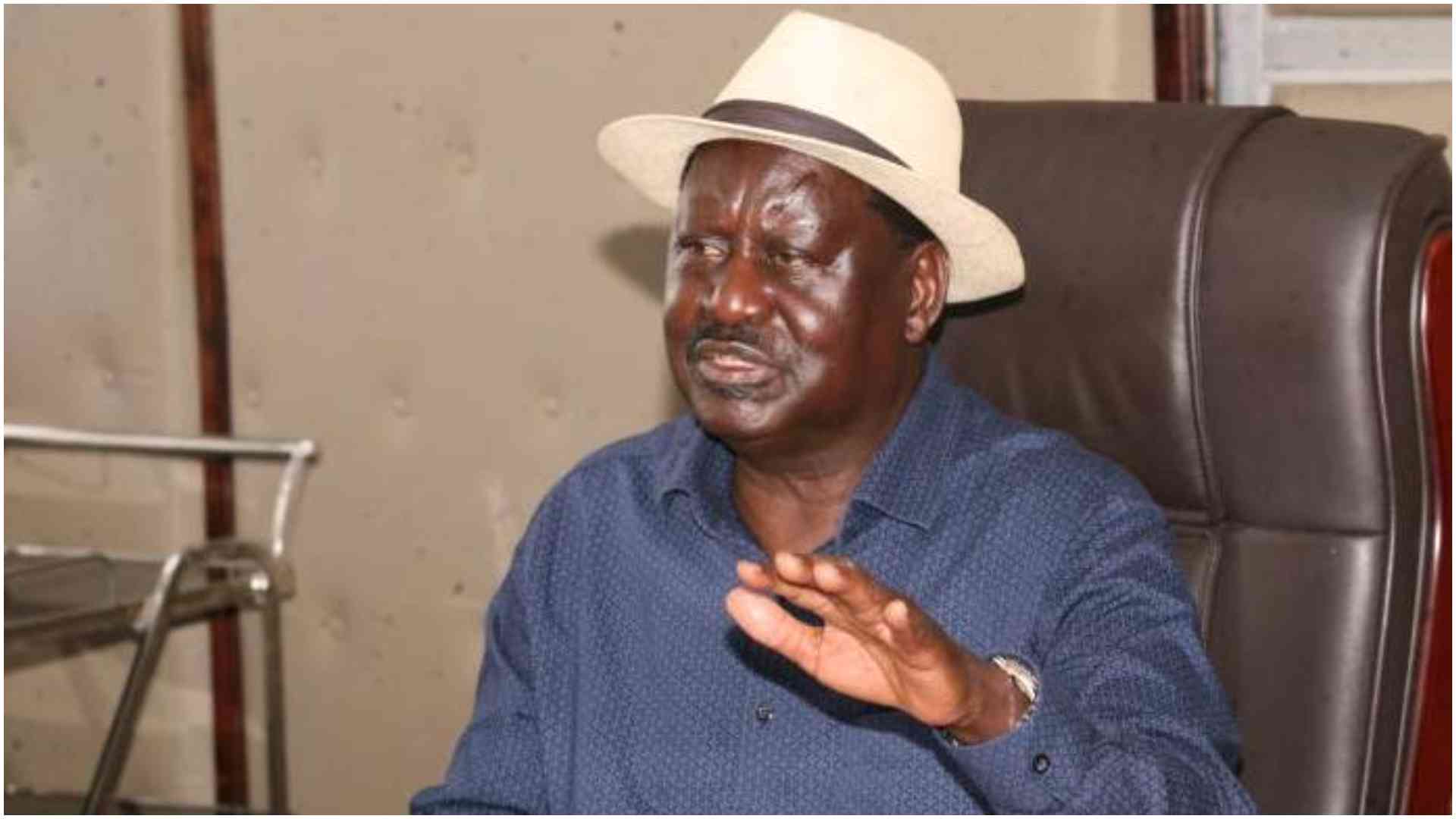
For long, Raila Odinga, a former Kenyan iconic opposition leader and Prime Minister, embodied the struggle for democracy, but the physical toll of his activism left lasting scars.
His 2010 diagnosis of hydrocephalus, a life-threatening buildup of fluid in the brain, has been linked to the brutal torture he endured during nearly six years of detention under President Daniel arap Moi's regime in the 1980s.
Raila's ordeal began in August 1982 when he was arrested on charges of involvement in a failed coup against Moi's government.
Detained without trial until 1988 in harsh facilities like Kamiti Maximum Prison and Shimo la Tewa, Raila faced relentless physical and psychological abuse.
In his 2013 autobiography, The Flame of Freedom, he describes a brutal interrogation where Special Branch officer Josiah Kipkurui Rono beat his head and shoulders with a broken table leg, leaving him dazed and knocked out.
Further assaults targeted his chest and genitals, causing severe trauma. Neurologists note that such repeated blows to the head can lead to traumatic brain injuries, a known precursor to hydrocephalus even decades later.
Hydrocephalus, marked by excessive cerebrospinal fluid pressing against the brain, triggers intense headaches, fatigue, and potential neurological damage. In June 2010, Raila underwent emergency surgery at Nairobi Hospital, where neurosurgeon Oluoch Olunya drained the fluid through a small skull incision.
While initially attributed to a minor head injury from a car accident weeks earlier, the severe head trauma from 1982 is now considered a significant contributing factor.
"Blunt force trauma to the head, as described in Raila's accounts, can disrupt the brain's ability to regulate fluid, leading to conditions like hydrocephalus years later," said Dr Michael Okoth, a Nairobi-based neurologist. "The latency of symptoms is not uncommon in such cases."
The torture extended beyond physical violence. Raila endured solitary confinement in dark, flooded cells, starvation, and psychological torment, including being denied contact with his family and barred from attending his mother's funeral. These conditions likely amplified the long-term health impacts of his injuries.
Released in 1988 amid international outcry, Raila carried forward the physical and emotional scars of his detention.
Subscribe to our newsletter and stay updated on the latest developments and special offers!