×

The Standard e-Paper
Kenya's Bold Newspaper





Audio By Vocalize
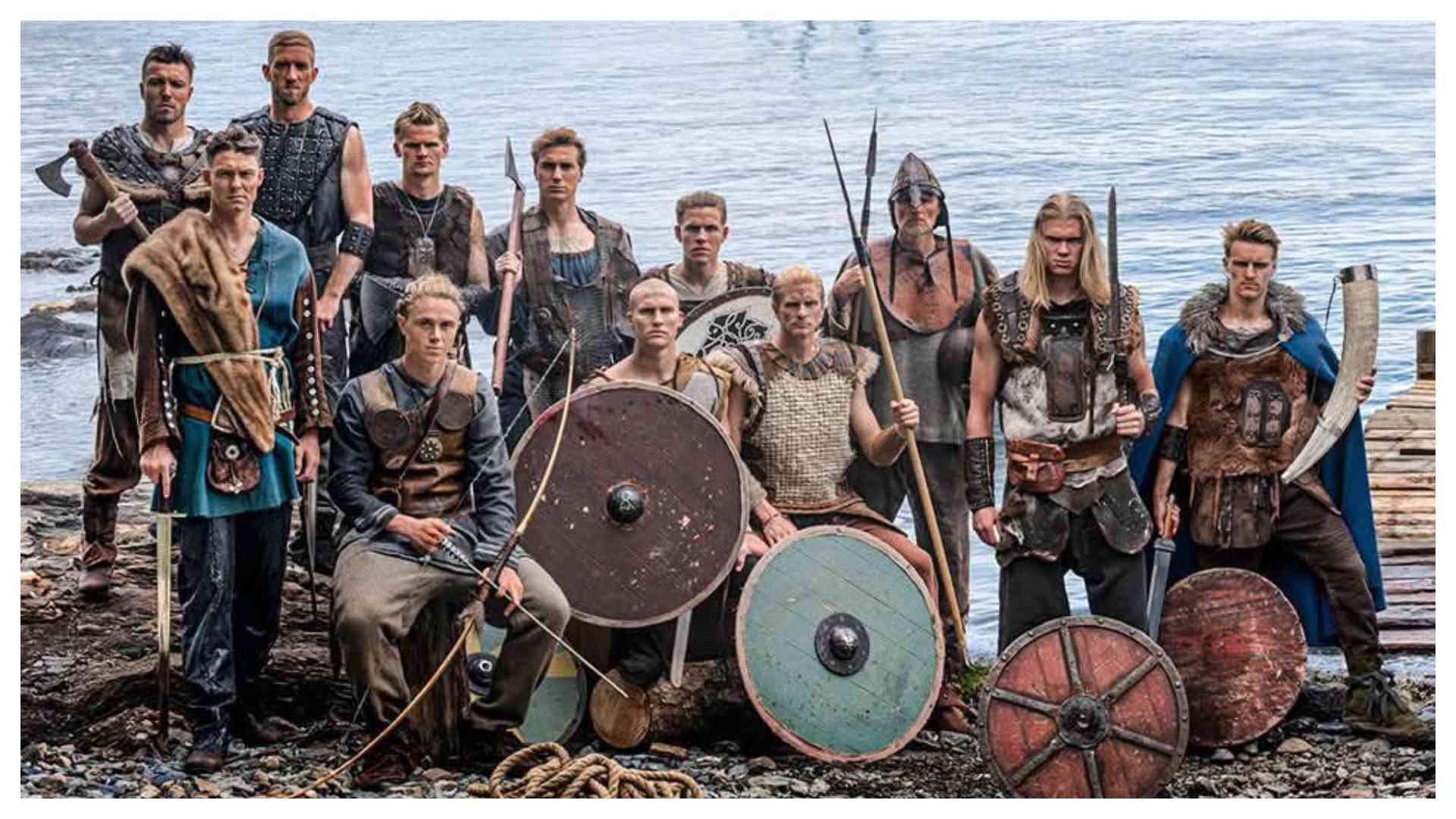
Norway’s Viking-themed squad photograph for the 2026 FIFA World Cup has emerged as one of the most striking and widely discussed team images in modern football, reshaping how national teams present themselves on the global stage.
Captured by British photographer David Yarrow, the image transforms the Norwegian squad into a cinematic recreation of Norse warriors, set against a rugged fjord landscape that reflects the country’s deep cultural and historical identity.
The players, including stars Erling Haaland and captain Martin Ødegaard, are dressed in Viking-inspired costumes, positioned alongside longships, shields, and dramatic natural scenery.
Rather than a standard stadium lineup, the composition resembles a film poster or historical epic, blending sport with storytelling in a way that immediately set it apart from traditional team portraits.
The Norwegian Football Federation has described the concept as a symbolic representation of unity and national pride, portraying the team as modern explorers embarking on a new global journey as they return to the World Cup after a long absence.
The image quickly went viral, drawing attention not only from football fans but also from photographers and branding experts who praised its ambition.
However, it also sparked debate about whether the heavy use of Viking symbolism risks reinforcing clichés about Norwegian identity.
Compared to other national teams, Norway’s approach stands out for its theatrical scale.
Teams such as Japan have traditionally opted for clean, minimal squad portraits that emphasize discipline and unity, often shot in training kits against simple backgrounds.
Nigeria has experimented with fashion-forward studio photography that highlights modern African style and cultural expression, while France and England generally maintain more conventional stadium-based lineups, occasionally enhanced with cinematic lighting or documentary-style production.
What makes Norway’s 2026 image distinctive is its complete immersion into narrative. It does not merely reference heritage; it constructs an entire visual world around it. In doing so, it reflects a growing trend in international football where squad photos are evolving from simple documentation into powerful branding tools.
Subscribe to our newsletter and stay updated on the latest developments and special offers!