×

The Standard e-Paper
Truth Without Fear





Audio By Vocalize
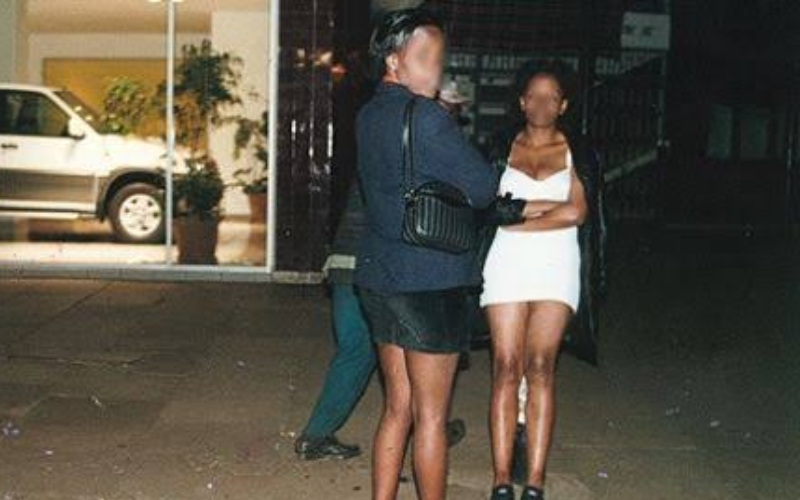
Urban legends in Nairobi are often born in the neon-lit, exhaust-filled streets of the central business district, but few places carry the mystique of Koinange Street. Today, "K-Street" is lined with corporate offices, banks and commercial buildings. Yet for many Nairobians who experienced the city's nightlife in the 2000s, the name recalls a far wilder era.
In 2007, the famous street became the centre of a dramatic clash over its identity.
Long known for its bustling nightlife and the "twilight girls", a colloquial term for sex workers, Koinange Street was chosen as the venue for a carnival aimed at rebranding the area.
However, the initiative was met with fierce resistance, as covered in today's throwback copy of PULSE Magazine.
Ahead of the event, rumours swirled that the women feared the carnival would disrupt their livelihoods and drive them from their regular spot. Word spread that they were planning a dramatic protest by stripping in public. Businesses along the street were also divided, with one popular nightclub reportedly refusing to cooperate with organisers in solidarity with the women.
On the eve of the carnival, journalist Tevin Sila drove along Koinange Street to gauge the mood. Despite the impending event, business continued as usual. Skimpily dressed women approached passing motorists, offering their services. At the time, prices reportedly ranged from Sh2,000 to Sh6,000 a night, with some even advertising "Easter discounts."
The women appeared to operate with strict business rules. When Sila and a colleague began asking about the carnival instead of hiring their services, the mood quickly turned hostile.
"Koinange belongs to us, and you can't get us out of here!" one woman reportedly shouted as the journalists drove away.
The carnival itself got off to a rocky start the following morning. Attendance was sparse, traditional dancers reportedly threatened to strike over pay, and several major sponsors withdrew at the last minute. Office workers also complained after being asked to pay a Sh100 entry fee to access their workplaces, while some business owners threatened legal action over the disruption.
As evening fell, however, the atmosphere shifted. Crowds poured in to watch some of the era's biggest acts, including Abbas Kubaff, Chiwawa, Mighty King Kong and Tony Nyadundo. Music blared, drinks flowed and the carnival finally appeared to be gathering momentum.
But the night's defining moment came in the early hours of Sunday morning.
A woman emerged from a nearby club shouting, "I am Miss Koinange!" She immediately drew a large crowd, taking attention away from the performers. She stripped on the street and began dancing as onlookers cheered.
Others soon joined her, offering lap dances to revellers in exchange for money.
In a dramatic twist, the carnival that had been organised to clean up Koinange Street's image ended up becoming the biggest stage for the very women it had sought to push aside.
By dawn, they had disappeared into the shadows, leaving behind one of the most memorable chapters in Nairobi's nightlife history.
Subscribe to our newsletter and stay updated on the latest developments and special offers!