×

The Standard e-Paper
Kenya's Bold Newspaper





Audio By Vocalize
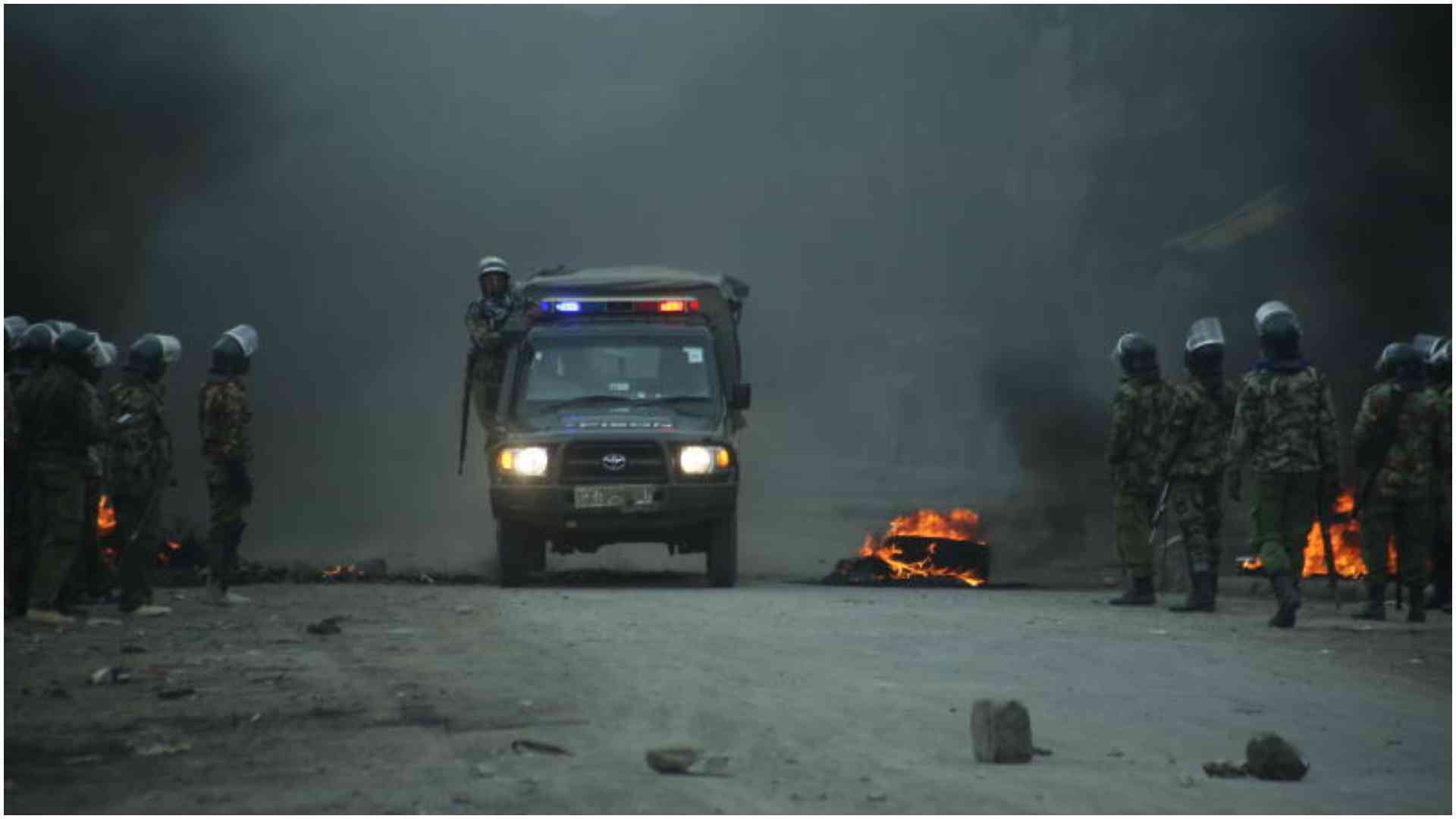
Nearly one in every two Kenyans has suffered police abuse in the past two years, with corruption, harassment, and wrongful detention ranking as the most common violations.
Yet for most victims, justice remains elusive as fear, mistrust, and broken institutions block the path to accountability.
A new report by the International Justice Mission (IJM) paints a disturbing picture of the National Police Service (NPS) as both protector and predator, revealing that 42.9 per cent of Kenyans surveyed between 2022 and 2024 experienced police abuse of power (PAP).
The abuses took many forms: corruption and extortion (55.8 per cent), harassment (54.7 per cent), wrongful detention (15.1 per cent), malicious prosecution, sexual offences, physical assault, threats to life, enforced disappearances, and even unlawful shootings. Victims said such misconduct most often occurred in public spaces such as markets, roads, and during crackdowns.
"Even writing the OB number, they want money. You have to bribe someone to accelerate your file," one community member told researchers.
Despite the scale of abuse, 62.6 per cent of victims never reported incidents. The reasons are telling as 53.1 per cent do not trust justice institutions, 28.5 per cent fear retaliation, while others cited high costs, shame, long distances to reporting offices, or lack of time.
Of the cases that were reported, only 39 per cent went to the police. The Independent Policing Oversight Authority (IPOA) and the Internal Affairs Unit (IAU) received just 1.4 per cent and 7.2 per cent of reports respectively, numbers that highlight both low public confidence and limited institutional reach.
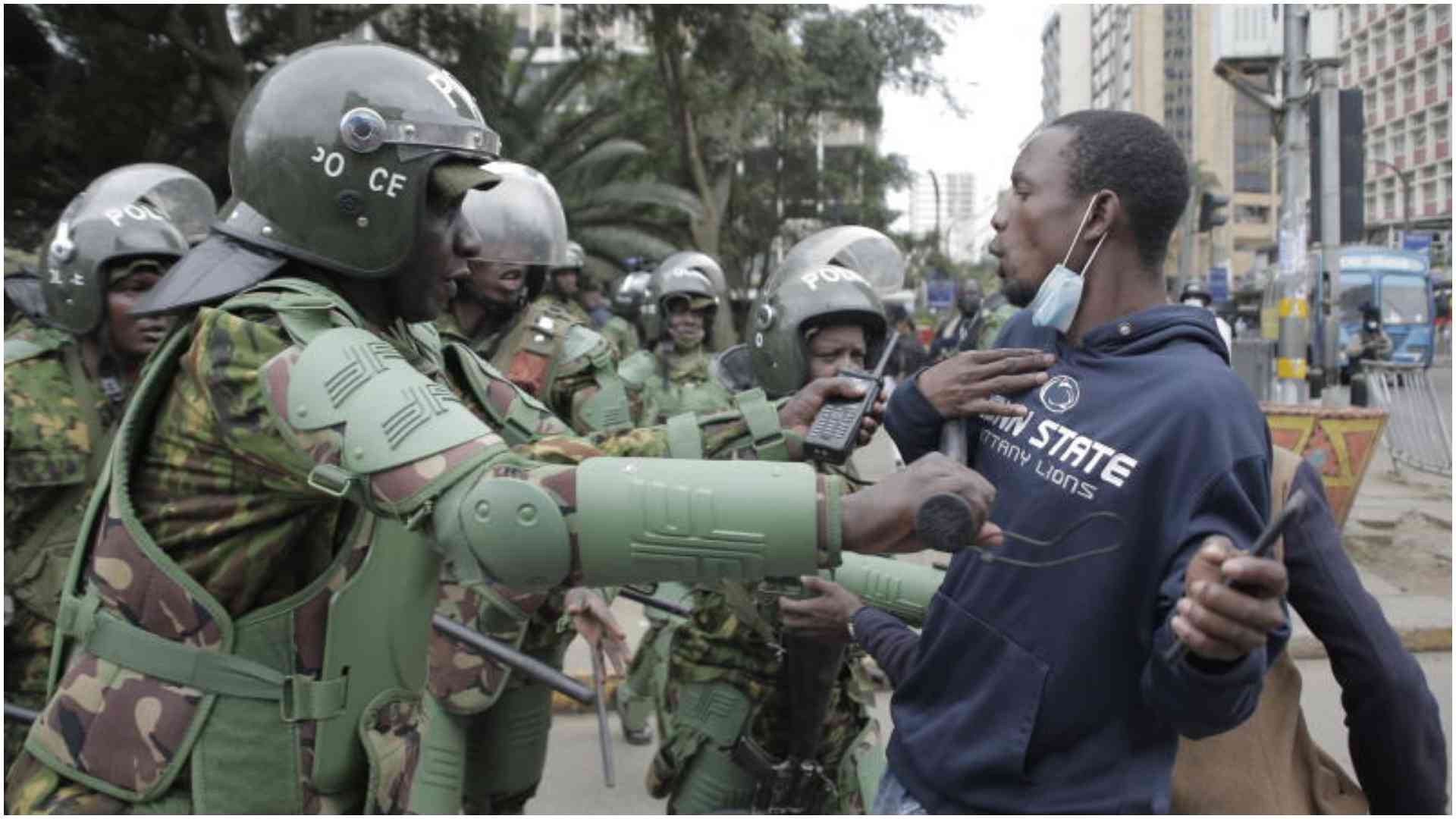
Ironically, the report shows that Kenyans are not apathetic. 63.7 per cent said they would report misconduct, and 88 per cent expressed willingness to take part in criminal proceedings if given the right support and protection. In fact, 3,203 out of 3,632 (88 per cent) respondents said they would fully participate in the justice process with adequate backing.
But the system itself is stacked against them.
Rivalries and non-cooperation between institutions like IPOA, IAU, and the DCI cripple investigations, while political interference and weak budgets undermine accountability. Only 14.3 per cent of stakeholders expressed trust in the criminal justice system's ability to deal with police abuse.
"They often beat up young people a lot. Just because they don't have Sh4,000 asked for by the police," one participant expressed.
The report reveals that Kisumu County ranks highest in prevalence of police abuse, followed by Nairobi, Garissa, Mombasa, Nakuru, Uasin Gishu, Kakamega, and Kiambu. Machakos ranked lowest.
Abuse is not random as it spikes during certain times. Victims said they were most often targeted during political demonstrations, market days, end-month crackdowns, elections, rainy seasons, harvest periods, and social events. Police were also reported to be misused in personal disputes such as family conflicts and debt collection.
Incidents of police misconduct were most reported towards the end of the week (Fridays and Saturdays).
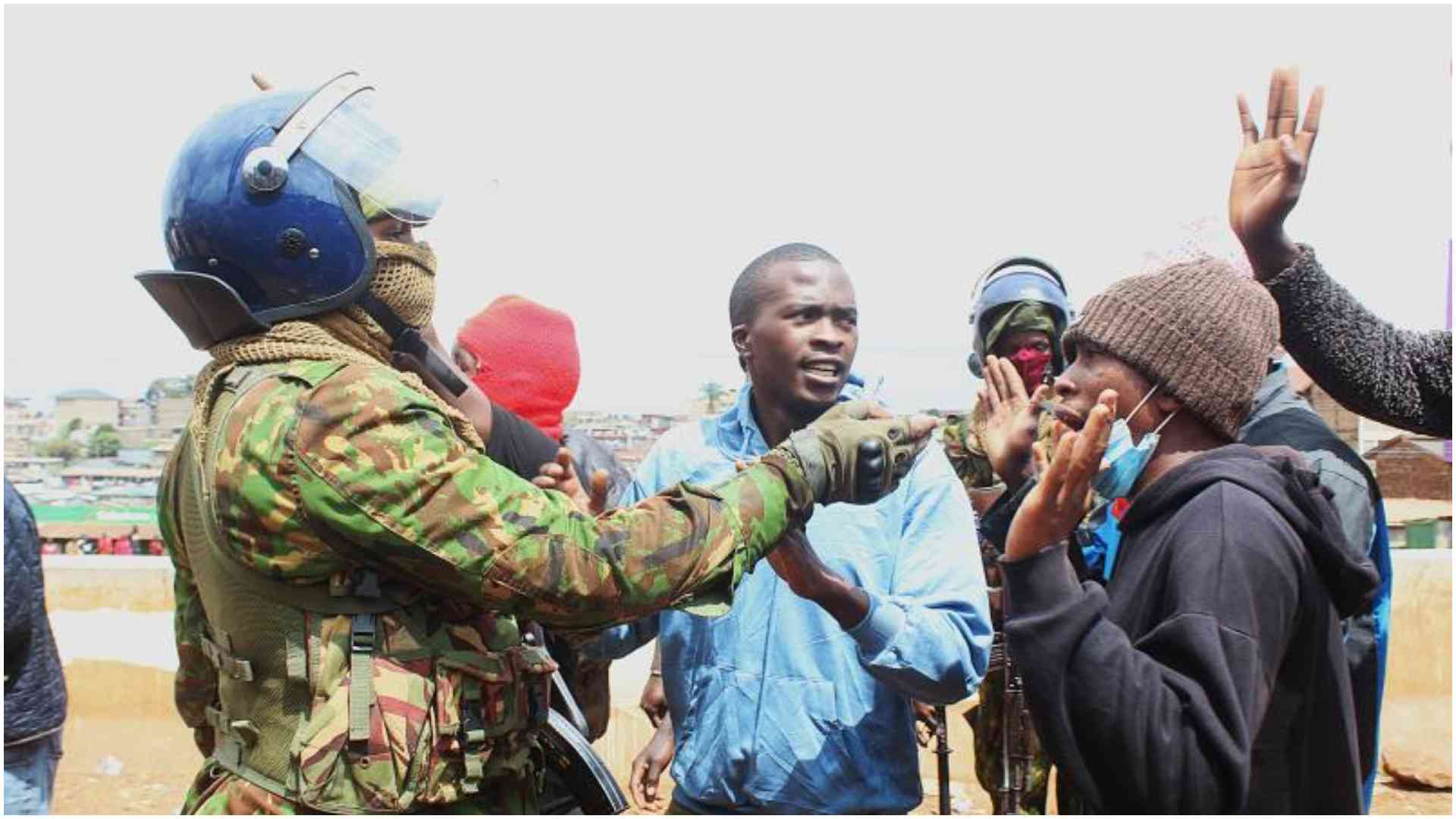
Between March 2022 and March 2024, 3,987 out of 5,700 (70 per cent) respondents said they had witnessed police abuse, with urban areas particularly Nairobi, Kisumu, and Mombasa, reporting higher rates than rural counties.
Participants described a justice system heavily influenced by the political class and economic elites. Many said budgetary allocations have been used not to strengthen oversight, but to capture institutions and weaken their independence.
The result is a justice system that citizens view as complicit rather than corrective. Harassment, abuse of office, police inaction, destruction of property, deaths from delayed response, obscene language, and threats to life were all cited as common experiences.
Among the report's recommendations is the creation of a centralised database to track complaints, investigations, and outcomes.
Subscribe to our newsletter and stay updated on the latest developments and special offers!