×

The Standard e-Paper
Read Offline Anywhere





Audio By Vocalize
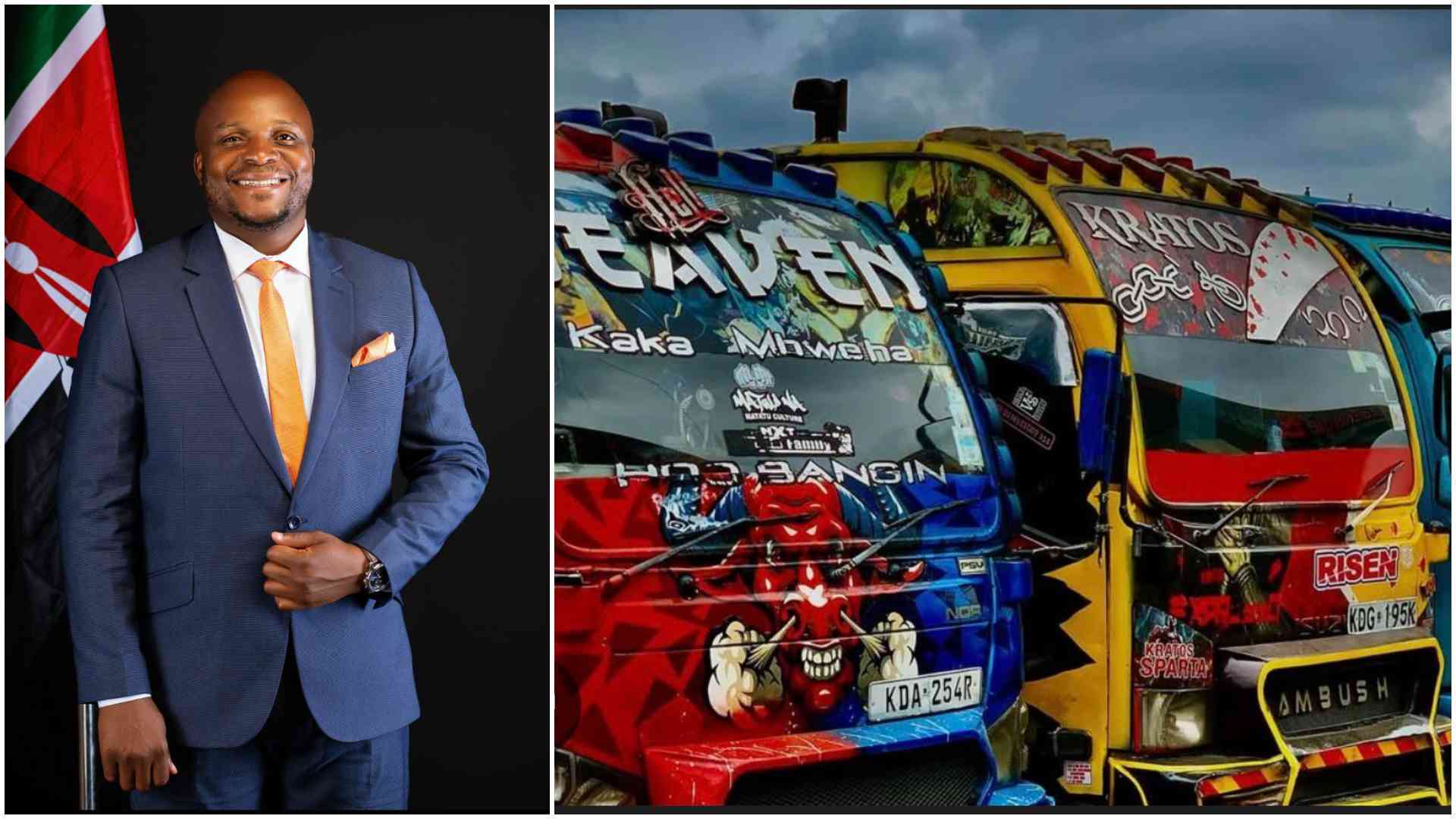
Lang’ata MP Jalang’o, has vowed to fund an appeal after the High Court upheld a directive by the National Transport and Safety Authority (NTSA) banning graffiti, heavy artistic designs and tinted windows on public service vehicles.
In a judgment delivered on 29 April, the High Court dismissed a petition that had challenged the NTSA’s notice issued in May 2025.
The court found that the directive is legal and aimed at improving road safety, making it easier to identify vehicles, and ensuring matatus follow existing transport rules.
Justice Bahati Mwamuye ruled that the ban does not violate the rights of matatu operators or amount to unfair administrative action.
Jalang’o reacted strongly to the ruling, insisting that “Ng’anya culture is here to stay.” In a statement shared online, he pledged to personally cover the legal costs of an appeal. He argued that customised matatus are not just vehicles, but a key part of Nairobi’s identity, youth culture and economy.
Ng’anya culture refers to a vibrant subculture within Kenya’s matatu industry, especially in Nairobi. These matatus are known for their bold graffiti, bright colours, LED lighting, booming sound systems and pop culture themes inspired by music, sports and global entertainment.
For many young people, nganyas are moving pieces of art and a form of expression, turning daily commuting into an experience. They also create jobs for artists, designers, DJs, touts and drivers, supporting a wider informal economy.
However, the case ended up in court because of concerns raised by regulators over safety and order on the roads. The NTSA has long enforced rules that require PSVs to maintain clear visibility, proper lighting, and identifiable number plates and markings.
Tinted windows, for instance, are restricted because they can limit visibility for drivers and make it difficult for law enforcement officers to see inside the vehicle. Authorities argue this can pose security risks and make it harder to respond to incidents.
Excessive graffiti and decorations have also been flagged for sometimes covering important information such as route markings and licence details. Loud music systems and flashy interiors, while popular with passengers, are seen as potential distractions to drivers and other road users.
In addition, regulators have linked some nganya operations to reckless driving, as crews compete for passengers, as well as complaints about noise pollution and misconduct inside the vehicles.
Supporters of nganya culture argue that instead of banning the designs, authorities should find a way to regulate the industry while preserving its artistic value.
Subscribe to our newsletter and stay updated on the latest developments and special offers!