×

The Standard e-Paper
Informed Minds Prefer The Standard





Audio By Vocalize
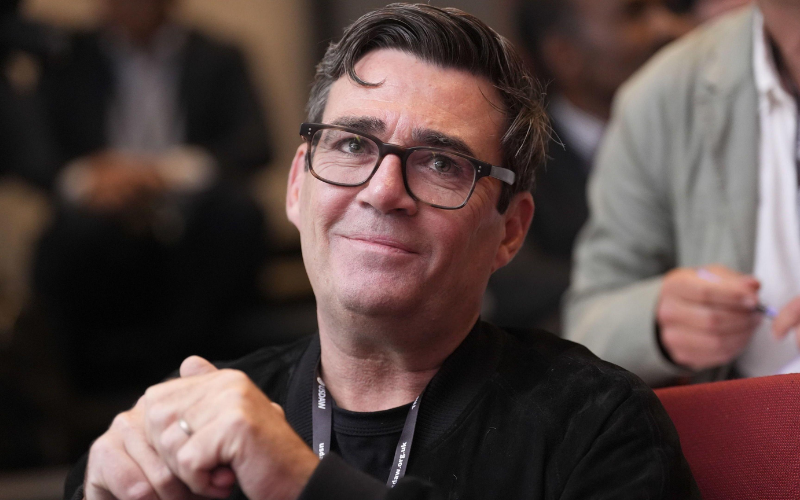
Andy Burnham's rise to Britain's highest political office has been anything but conventional.
Once known as the outspoken Mayor of Greater Manchester and dubbed the "King of the North" for his fierce defence of regional interests, Burnham has now completed a remarkable journey from local champion to UK Prime Minister.
Here's a closer look at the man leading Britain.
Burnham is a senior British Labour politician who built his reputation championing northern England and defending public services before becoming the UK's Prime Minister.
Born in Liverpool in 1970 and raised in the Cheshire village of Culcheth, Burnham comes from a Catholic family. His father worked as a BT engineer, while his mother was a receptionist at a doctor's surgery, according to BBC.
Because he grew up in Cheshire, there has long been debate over whether he is a true Scouser, a term associated with people from Liverpool and the wider Merseyside region. The city's distinctive accent often replaces the "th" sound with a "d" or "t", while the "k" at the end of words is pronounced with a harsh, aspirated sound similar to the Scottish "ch".
Despite the debate, Burnham proudly identifies with Liverpool and has been a lifelong Everton FC supporter.
He studied English at Fitzwilliam College, Cambridge, becoming the first member of his family to attend university. Before entering frontline politics, he worked as a journalist for trade magazines before moving into government advisory roles.
Burnham is married to Dutch-born Marie-France "Frankie" van Heel. The couple have three children: Jimmy, Rosie and Anne-Marie.
His political journey began when he joined the Labour Party at just 15, a decision that shaped his future career. After working behind the scenes in government, he was elected MP for Leigh in 2001.
He quickly climbed Labour's ranks, serving as Culture Secretary, Chief Secretary to the Treasury and later Health Secretary under Gordon Brown. Burnham also unsuccessfully contested the Labour leadership twice.
In 2017, he left Westminster to become the first elected Mayor of Greater Manchester, a role that transformed his national profile. His outspoken campaign for greater regional investment and devolved powers, particularly during the Covid-19 pandemic, earned him the nickname "King of the North."
Burnham's popularity continued to grow through his work on public transport reforms, housing, healthcare and homelessness, making him one of Labour's most recognisable politicians.
Following Sir Keir Starmer's resignation, Burnham emerged as Labour leader and was appointed Prime Minister by King Charles III, becoming Britain's seventh prime minister in a decade. He pledged to decentralise power, tackle the cost of living, end rough sleeping and strengthen public services while promising a fresh direction for the country.
One of his first major decisions as Prime Minister was unveiling a new Cabinet that blended experienced ministers with close allies.
He appointed John Healey as Chancellor, Ed Miliband as Foreign Secretary, Yvette Cooper as Health Secretary and Louise Haigh as First Secretary of State, while retaining Shabana Mahmood as Home Secretary.
Burnham has also pledged to scrap the proposed Sh355 billion (£2 billion) BritCard digital identity scheme, arguing that the funds should instead support tax relief and public services.
Away from politics, Burnham has become something of a pop culture figure.
He has inspired viral artwork, appeared in television portrayals and even has a Harry Hill dance named after him.
Like many long-serving politicians, Burnham has previously faced controversy.
As Health Secretary, he was criticised over his handling of the Stafford Hospital scandal after initially resisting calls for a public inquiry.
As Mayor of Greater Manchester, he also faced scrutiny over demands for wider investigations into historical child sexual exploitation cases.
Despite those controversies, Burnham's decades-long political career, focus on regional equality and public services, and rise from Manchester mayor to Prime Minister have cemented his place as one of Britain's most influential Labour figures.
Subscribe to our newsletter and stay updated on the latest developments and special offers!