×

The Standard e-Paper
Kenya's Bold Newspaper





Audio By Vocalize
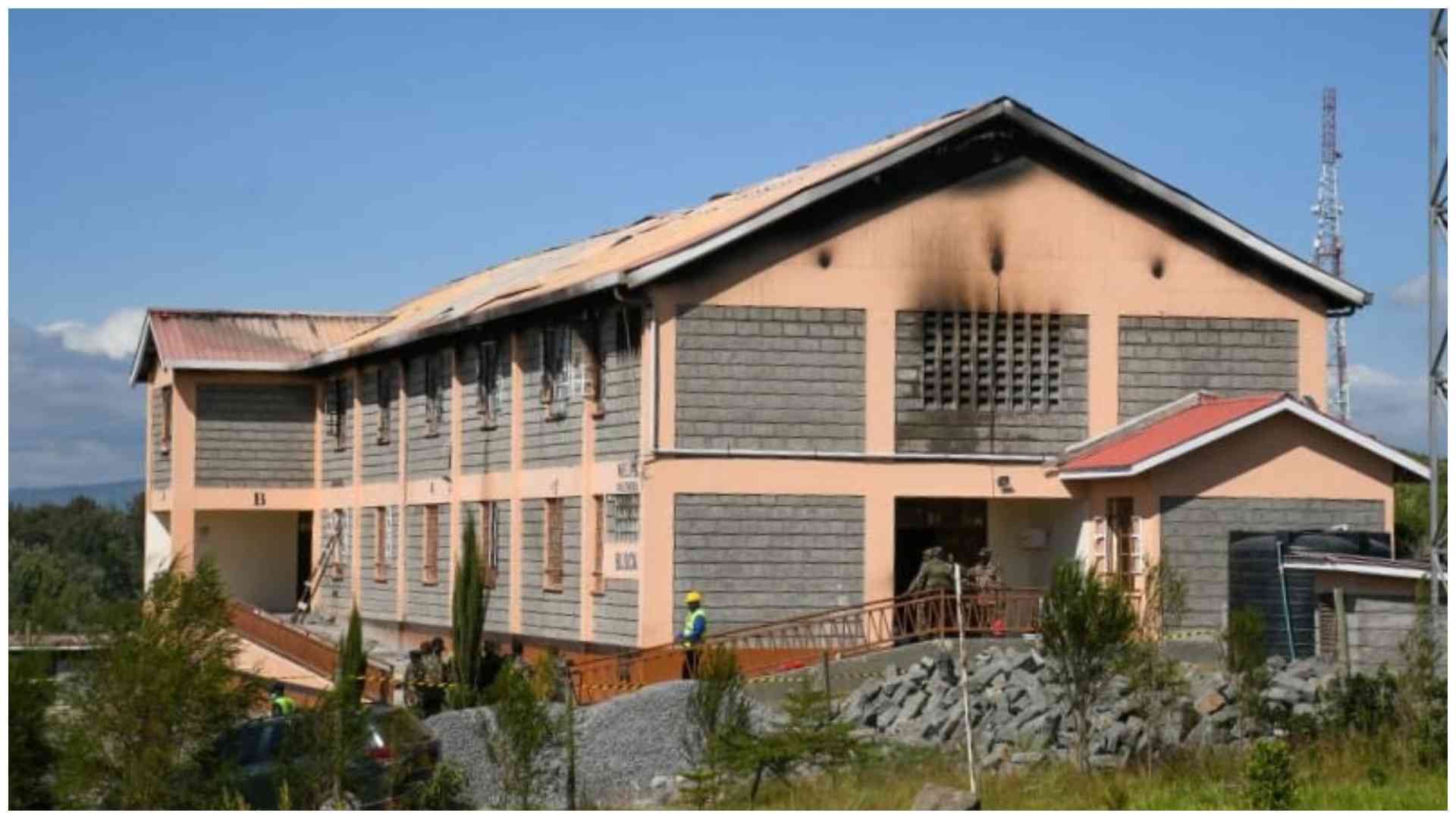
A wave of student unrest in the country has left behind a trail of destruction and interrupted learning as education authorities struggle to contain what is fast becoming a national crisis.
Learners are walking out of classrooms, torching facilities, boycotting examinations and demanding the removal of school heads over several grievances that include poor feeding programmes, dilapidated infrastructure, academic pressure, harsh punishment and exclusion from decision-making.
So far, the unrest, most rampant during the second term, has affected dozens of institutions across counties including Nairobi, Coast, Rift Valley, Western, Nyanza and Central regions, raising concern over the state of learner welfare and discipline in schools.
At least 37 schools have been affected in the last five months of this year, pointing to the scale of problem with the latest being Utumishi Girls Academy in Gilgil, Nakuru County, where 16 girls died in a fire tragedy that also left several others injured.
The incident cast the spotlight on underlying problems bedeviling schools where indiscipline, exam fever, poor management, food, overcrowding, weak enforcement, and outdated infrastructure have been identified as some of the unresolved issues fueling the unrest.
Although closed circuit television (CCTV) cameras have placed seven students at the scene of the incident and linked them to involvement in the incident, the tragedy has triggered nationwide inspections of boarding schools, with officials acknowledging that structural and operational weaknesses have left learners exposed.
Under existing guidelines, dormitories must maintain adequate spacing between beds, have wide outward-opening doors, clearly marked emergency exits, and functional firefighting equipment. Windows should also remain accessible and free from barriers that could delay evacuation.
Each dormitory is required to maintain emergency exits at both ends and an additional exit where applicable. Fire extinguishers must be positioned at exits, while roll calls, hygiene inspections, and security patrols are expected to be conducted regularly.
These measures are meant to facilitate easy escape, smooth response and mitigate damage in case of an emergency. Unfortunately, they continue to be ignored by school administrators, as was the case at Utumishi Girls.
The unrest has not spared national schools that are premier centres of learning where standards are high, leaving stakeholders and experts at crossroads over the solution to the recurring problem.
Mercy Maina, a psychologist, warns that educators are increasingly becoming targets of student anger despite operating under difficult circumstances.
Dr Maina is calling for better teacher-student engagement and stronger parental involvement.
“The Competency-Based Curriculum transition, rising cost of living and pressure to perform academically may be increasing stress among learners,” said Maina.
Possible unrest
Mental health expert Alfred Onyango warns that many students are silently battling anxiety, depression and emotional exhaustion in highly competitive school environments.
“Their brains need something to relieve their anger and pain. This can be done through sports, music and any creative activity,” Onyango said.
As the nation was still coming to terms with the Utumishi tragedy, students at Lenana School in Nairobi, one of Kenya’s premier national schools, were sent home after the administration sensed possible unrest. “Following the restlessness and disturbance experienced during preps in the school last night, the Board of Management and the school administration have resolved to temporarily release all students to allow for restoration of normalcy and a comprehensive assessment of the situation,” said William Kemei, the school’s principal, in a notice to parents.
The parents and guardians were required to pick their sons on June 2, 2026.
“Kindly ensure that all students leave the school compound accompanied by a parent, guardian, or an authorized representative,” added Kemei.
Earlier, Form Three students at Maranda High, another national school, went on rampage in protest against disciplinary action taken on their colleagues following a foiled arson plan.
Similar emergency closures were reported at Kahuhia Girls and State House Girls High School, where students were sent home following tensions over food shortages, healthcare concerns, and alleged mistreatment.
“Due to unavoidable circumstances, we have no choice but to give students a break. You are here asked to pick your daughter from school tomorrow on May 30, at 8am,” read a statement from Kahuhia girls. State House Girls acknowledged that learners had raised concerns over hunger, healthcare, and quality of education. The administration admitted that some students had threatened strike action before the school was closed to prevent escalation.
The situation reflected a wider national pattern where grievances are only addressed after getting to crisis levels.
The precautionary closure underscores a growing reality in Kenya’s education system. Even top-performing national schools are now operating under constant tension, where discipline, grievance, and safety risks are increasingly intertwined.
Beyond limits
Education officials link the unrest to poor learning environments, peer influence, drug and substance abuse, social media pressure and ineffective guidance and counselling systems.
And the pattern has been consistent: grievances are ignored, administrators react late after damage is done, and learners are sent home.
Notably, the recurring unrest has at the same time exposed the 100 per cent transition policy. The push to absorb all primary school learners into secondary schools has stretched boarding capacity beyond limits.
Many schools now house double or triple their approved dormitory capacity, with learners reportedly sleeping in corridors or squeezed into triple-decker arrangements that violate safety standards.
This pressure has quietly turned dormitories into high-risk zones, especially in national and extra-county schools where enrollment has surged without matching infrastructure expansion.
Despite clear Ministry of Education safety manuals requiring outward-opening doors, multiple exits per dormitory, functional fire extinguishers, and strict occupancy limits, compliance remains inconsistent.
Inspections are largely reactive. Government officials often act only after tragedy strikes, leaving many institutions to operate for months without formal safety audits.
Many boarding schools were built decades ago and have not been structurally upgraded to match current enrolment levels. Single staircases, grilled windows that cannot open, poor water pressure, and lack of fire alarms or evacuation drills remain common.
In such conditions, evacuation during fire emergencies becomes chaotic and often deadly.
Institutional accountability gaps further worsen the crisis. Responsibility for safety is spread across principals, boards of management, county officers, and national inspectors, creating blurred accountability.
Beyond accidental fires, many incidents are linked to student unrest, revealing deeper governance and welfare failures.
Schools have been closed over protests linked to food shortages, sanitation concerns, disciplinary disputes, and allegations of corporal punishment.
In several cases, grievances have escalated into destruction of property and arson.
Chebwagan Boys High School in Kericho County, for instance, was closed barely a week after reopening following protests over poor diet and dissatisfaction with administration after poor Kenya Certificate of Secondary Education exam results.
Worrying trend
At Ndivisi Girls High School in Bungoma County, protests erupted after rice was reportedly removed from the school menu, while others cited harsh administrative discipline. Police intervened after students began breaking classroom windows.
Education Cabinet Secretary Julius Ogamba acknowledged the worrying trend but maintained that the incidents should be viewed in context.
Ogamba disclosed that roughly 100 schools out of Kenya’s more than 73,000 learning institutions had experienced unrest this term. The CS warned of tough disciplinary measures against learners involved in criminal acts such as arson and destruction of property.
“If they are candidates, they will sit their exams from alternative centres. If they are in Form Two or Form Three, they will be required to study from home,” he said, adding that the rights to education cannot excuse criminal behaviour.
Ogamba’s ministry is proposing strengthening guidance and counselling departments, enhancing psychosocial support and increasing mentorship programmes in schools.
Parents associations and teachers’ unions are now calling for urgent national dialogue on the state of schools.
Kenya Secondary Schools Heads Association (Kessha) chairman Willie Kuria says some schools are struggling with overcrowding, underfunding and rising indiscipline fuelled by social media influence and drug abuse.
“Some of the things learners are raising can be handled when we have enough resources to meet their demands. Principals are doing what they can to ensure teaching and learning take place,” he said.
Parents and education experts say many schools have failed to establish proper communication structures that allow learners to air grievances before frustrations boil over.
In a virtual meeting with school heads and education officials, Basic Education Principal Secretary Julius Bitok attributed the current unrest to weak communication between students and schools management, harsh disciplinary practices and increasing academic pressure.
“Schools must strengthen communication channels between students, teachers, parents, and administrators to promote trust, openness, and timely resolution of concerns,” said Bitok.
Subscribe to our newsletter and stay updated on the latest developments and special offers!