×

The Standard e-Paper
Read Offline Anywhere





Audio By Vocalize
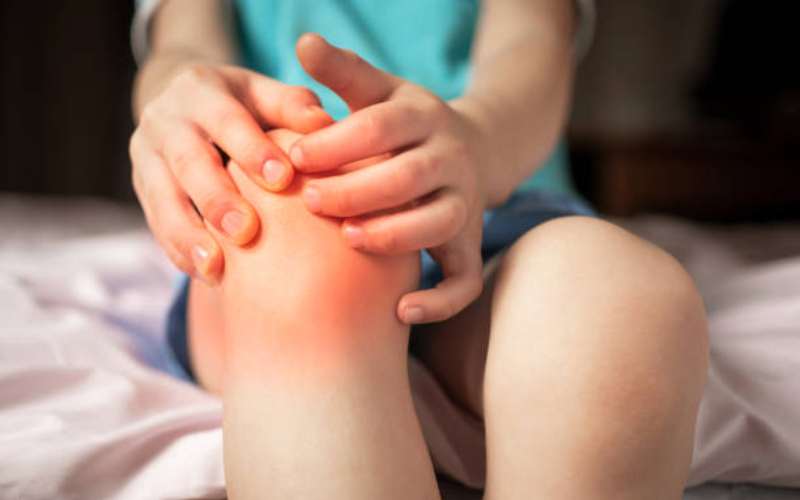
Arthritis is often associated with ageing, but thousands of children worldwide live with juvenile arthritis, a group of autoimmune disorders in which the immune system mistakenly attacks the joints.
The condition causes persistent swelling, stiffness and fatigue, and requires early diagnosis, specialist care and ongoing support to help children lead active, fulfilling lives.
According to paediatric specialist Dr Jared Liboi, juvenile idiopathic arthritis (JIA) is an umbrella term for several conditions that develop before the age of 16.
Unlike adult arthritis, which is commonly linked to years of joint wear and tear, JIA is caused by an abnormal immune response that attacks the healthy lining of the joints.
"Many people are surprised to learn that children can develop arthritis. Unfortunately, by the time some children see a specialist, they have already developed joint damage because the symptoms were mistaken for normal childhood aches or sports injuries," he says.
Although the exact cause remains unknown, researchers believe genetics and environmental factors may contribute to the disease.
Dr Liboi explains that juvenile arthritis is not a single condition, but a collection of disorders with different symptoms and treatment needs.
The most common form is oligoarticular JIA, which affects four or fewer joints during the first six months of illness. It mainly affects large joints such as the knees and ankles and is more common in younger children, especially girls.
"Many parents assume this is a mild form because only a few joints are affected. However, these children face the highest risk of developing silent inflammation in the eyes, known as uveitis," says Dr Liboi.
Polyarticular JIA affects five or more joints, particularly the hands, wrists and feet, making everyday activities such as writing, dressing and holding objects painful.
Systemic JIA affects the entire body and may cause recurring fevers, skin rashes, swollen lymph nodes and inflammation of internal organs. Other forms include enthesitis-related arthritis, which affects areas where tendons attach to bones and often causes heel, hip or lower back pain, and psoriatic JIA, which combines joint inflammation with psoriasis.
While symptoms vary, parents should watch for persistent joint swelling, morning stiffness, limping, fatigue and reduced physical activity. Another serious complication is uveitis, a form of eye inflammation that often develops without obvious symptoms and can lead to vision damage if left untreated.
"A child may appear perfectly healthy while inflammation is quietly affecting the eyes. That is why every child diagnosed with juvenile arthritis should have regular eye examinations, even when there are no vision problems," he says.
Managing juvenile arthritis requires a multidisciplinary team that may include rheumatologists, paediatricians and therapists.
Treatment options such as anti-inflammatory medication, disease-modifying antirheumatic drugs (DMARDs) and biologic therapies can help control inflammation and prevent permanent joint damage.
With early diagnosis and appropriate treatment, many children with juvenile arthritis can lead healthy, active lives.
Experts urge parents not to dismiss persistent joint pain, swelling or stiffness as growing pains, as early intervention can help prevent long-term complications.
Subscribe to our newsletter and stay updated on the latest developments and special offers!