×

The Standard e-Paper
Informed Minds Prefer The Standard





Audio By Vocalize
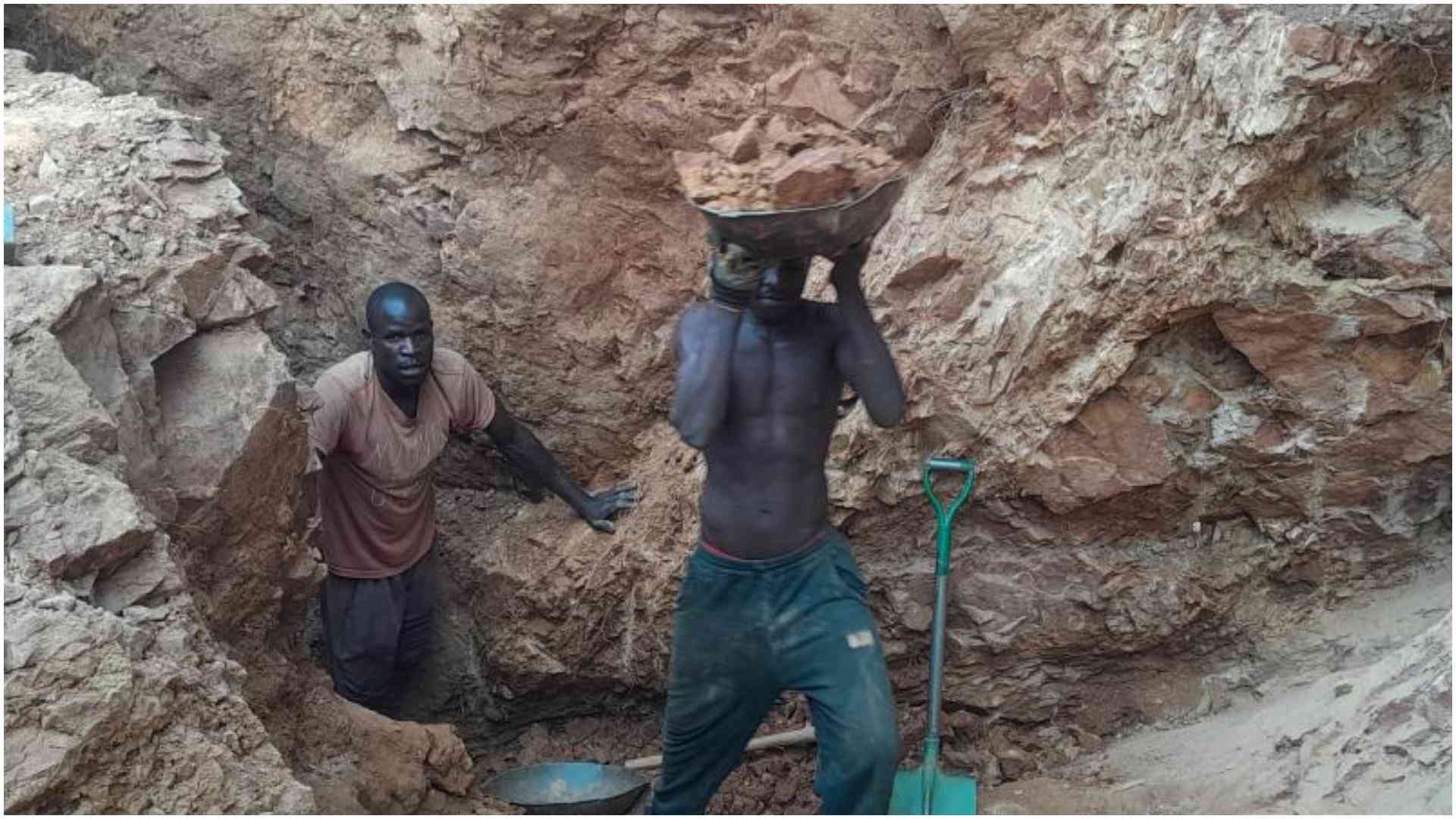
At sunrise on the shores of Lake Victoria, fishermen push their boats into the water just as their fathers and grandfathers did.
The lake feeds their families, water their crops and sustains their livestock. But upstream, small-scale gold miners are using mercury to separate gold from soil and much of that toxic metal ends up in the same streams that flow into the lake and rivers around.
Invisible and odourless, mercury settles into water, builds up in fish, and find its way onto dinner plates.
For a community that depends entirely on these waters, the search for gold is quietly turning a source of life into a that of death.
What begins as a quest for livelihood is leaving a legacy of pollution, sickened ecosystems and generations at risks.
While the community in Seme villages of Kisumu County is asking tough questions about the upcoming mine sites in neighbourhoods like Kopingo in Kowe sublocation, experts are warning of the possible danger of using mercury in the process of gold mining.
During a recent public participation forum in Seme Sub-county organized to create awareness on the use of mercury in gold mining, some members of the community sought to know a safer alternative.
Kennedy Odhiambo, a miner, says he has been using mercury in his operations within the mines because there is no available alternative.
“Even as the government and concerned stakeholders warn us on the use of mercury, they should give us available options. From the conversation we are having right now, obviously, it is a dangerous chemical that must be handled with a lot of care,” Odhiambo said.
Odhiambo notes that, most of the time, government officials and environmental stakeholders engage them in meetings to create awareness, but do very little follow-up after.
“Does National Environment Management Agency (NEMA) schedule follow-ups after such community meetings? We want to know what the government is doing about the illegal mercury, and how they can help us? They have said that handling mercury damages our internal organs. How can we get protective gear? We are also requesting if they can issue one license for artisanal miners that will cover the entire mining site,” says Odhiambo.
Aggrey Okello, another miner, asked how small-scale miners can be safeguarded from the large-scale miners who find their way into the artisanal mines.
Okello also sought to know the time frames for the approval of the artisanal mining permits and licenses.
“We also need awareness on who signs the land consent forms required in the artisanal mining permits and at what stage the community benefits from the mining activities. We are also requesting for some decentralization of offices to the sub-county headquarters for easy access,” says Okello.
According to experts, mining has been associated with releasing toxic mercury into the environment, leading to serious health risks for miners and nearby communities.
Artisanal miners in the country are reported to rely on rudimentary tools and techniques to extract gold from the earth.
According to Kisumu County NEMA director Leonard Ofula, the Seme community meeting was aimed at engaging the members on legal processes that govern artisanal gold mining and to educate them on sustainable mining that safeguard the environment and human health.
Mr Ofula says some members of the community had raised concerns at their offices about upcoming mines in their village that started in December last year.
Ofula noted that most artisanal miners use mercury during the amalgamation of the gold and, as they do this, they do not have any kind of protection.
“Most of the miners have very little idea on the effects of mercury on human health. We cannot establish exactly where they are obtaining the illegal mercury and who exactly is using it. But it is important that they get this message. As a multi-disciplinary team comprising our office, we have already visited two areas in Seme Sub-county where we have created awareness,” he explains.
Ofula says the agency has told the miners that there is a need for an environmental impact assessment, a license from NEMA, and a permit from the Geology department before they proceed with mining.
According to Ofula, when the agency visited the Ombo area in Seme East, it halted gold mining there because of the dangerous way it was being done.
“We found four shafts that had been dangerously dug and the community living there was not aware of the happenings. We realized that the people doing mining there were foreigners from another country and so we had to ban gold mining in that area,” he adds.
Ofula says mercury affects the internal organs of human beings and, during the amalgamation process, miners burn it and end up inhaling it. The rest is drained into the nearby streams and rivers, and finally ends up in the lake.
Subscribe to our newsletter and stay updated on the latest developments and special offers!