×

The Standard e-Paper
Read Offline Anywhere





Audio By Vocalize
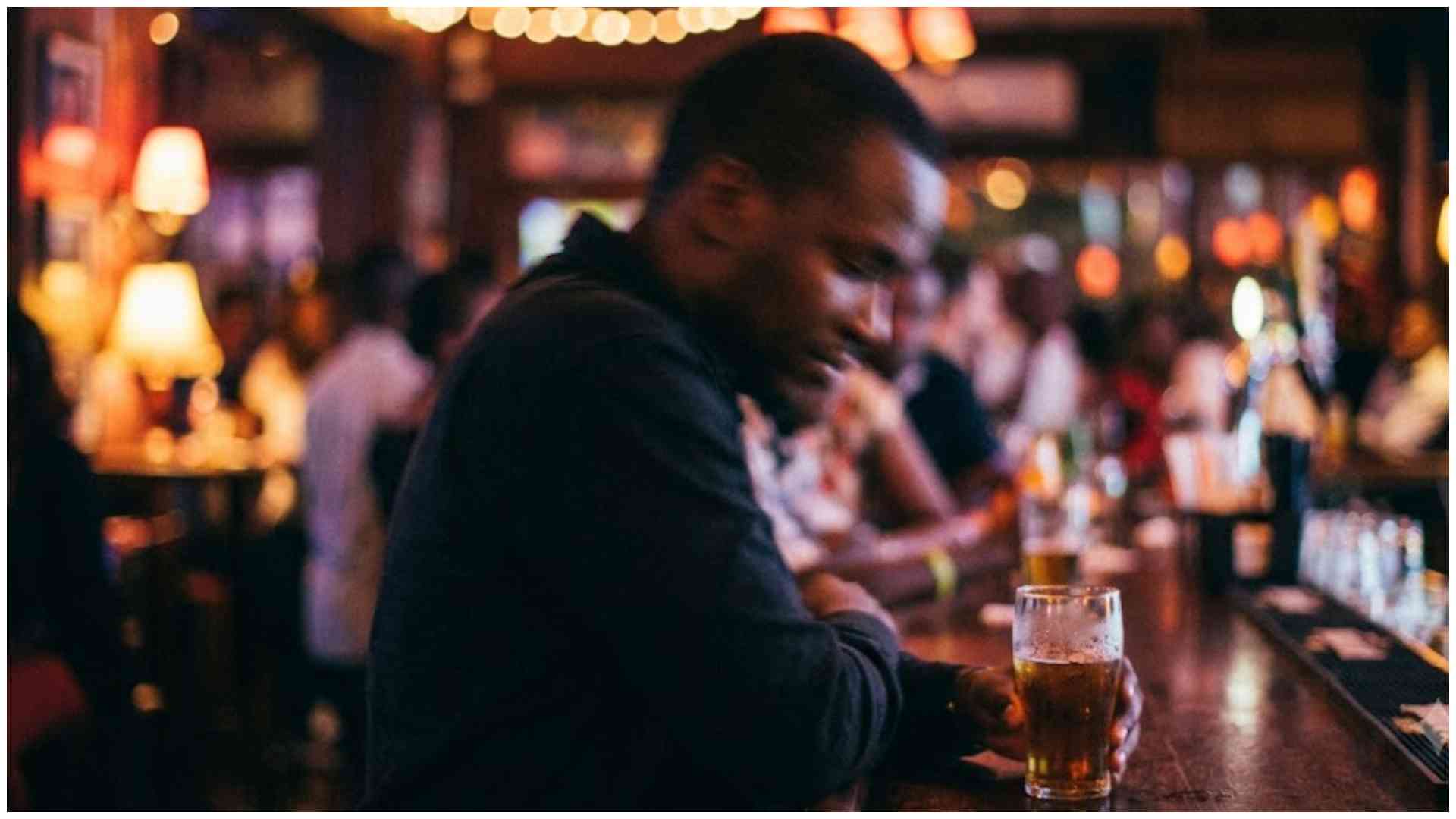
The evening begins the way thousands of others do across Nairobi and other towns every weekend. After a long day at work, friends agree to meet at a favourite club. Music fills the air, conversations grow louder with every passing hour and drinks keep flowing. It is meant to be a chance to unwind, laugh and momentarily forget the pressures of everyday life.
Then, without warning, something feels terribly wrong. A drinker, who moments earlier appeared perfectly normal, suddenly becomes unusually drowsy. Their speech slurs after consuming what seemed like a modest amount of alcohol. They struggle to stand, lose awareness of their surroundings and are eventually helped out of the club by people who appear to be friends or acquaintances.
Sometimes they wake up hours later in an unfamiliar place, robbed of their valuables and unable to remember what happened. Increasingly, however, some never wake up at all.
A disturbing rise in drink-spiking incidents has cast a dark shadow over Kenya’s nightlife, turning what was once dismissed as isolated criminal acts into a growing public safety concern. The incidents have sparked conversations about personal security in bars, the responsibilities of entertainment establishments and the deadly consequences of mixing alcohol with powerful sedatives.
Surveillance footage
The recent death of Nairobi-based quantity surveyor Edgar Mokua has become one of the country’s most talked-about cases. According to family members and friends, Mokua had spent the evening at Club Ibiza in Lavington Mall, before mysteriously disappearing. His disappearance prompted a search that ended in shock when his body was found in an open field in Roysambu.
Investigators later retrieved surveillance footage from the club recorded on July 7. The footage showed Mokua standing at the bar alongside a woman shortly before he vanished. Preliminary investigations suggest a substance may have been introduced into his drink while he was inside the club. Although investigations remain ongoing, the case has intensified concern over the drink spiking menace.
His death sent shockwaves through family, friends and colleagues. Like many grieving families before them, they were left searching for answers that may take months for investigators to fully establish.
Belongings stolen
Even before the country had fully processed Mokua’s death, another incident emerged. A middle-aged man identified only as Max reportedly visited a popular Nairobi entertainment establishment after work. According to reports, he was later joined at his table by three women. What followed has since become the subject of police investigations.
CCTV footage that later surfaced online appeared to capture Max’s final public moments. In the video, he looked visibly weak, unable to walk on his own and dependent on others to escort him out of the club. Reports circulating online alleged that his drink had been spiked before his belongings were stolen. While investigators have not officially confirmed those claims or established the exact cause of his condition, the similarities between his case and several others have raised fresh alarm among patrons of nightlife establishments.
For many, these stories are painfully familiar. They are the latest examples of what has come to be known on the streets simply as mchele.
The Kiswahili word literally means rice, but in urban slang it has acquired a far more sinister meaning. It refers to sedatives or knockout drugs secretly slipped into a person’s drink. Victims are then robbed, assaulted or exploited while in a vulnerable state.
The phenomenon is not new. For years, stories of people waking up without phones, wallets or vehicles after nights of drinking have circulated in whispers. Many incidents were dismissed as excessive alcohol consumption or poor personal choices. However, the recent deaths have forced many to reconsider whether something more dangerous has been unfolding in Kenya’s nightlife.
Medical experts warn that the greatest danger is not necessarily the drug itself but what happens when it is combined with alcohol. Both alcohol and many of the substances associated with drink spiking suppress the central nervous system. Together, they can dramatically slow breathing, heart rate and brain activity.
The drugs reportedly used in drink-spiking include gamma-hydroxybutyrate, commonly known as GHB, gamma-butyrolactone (GBL), benzodiazepines such as Diazepam and Rohypnol and ketamine.
These substances can come in powder, liquid or tablet form and often dissolve in drinks without changing their colour, smell or taste. A victim may therefore consume an entire drink without realising it has been tampered with.
The effects can be devastating. Depending on the dosage and the amount of alcohol consumed, victims may become confused, lose coordination, experience blurred vision, suffer memory loss or lose consciousness. In severe cases, breathing slows to dangerous levels, leading to a coma or death.
While the drugs are commonly referred to as date-rape drugs because of their use in sexual assault cases, they are increasingly being used for robbery. Men, who have traditionally viewed themselves as unlikely targets, are now finding themselves victims. Criminals often target people who appear well off or intoxicated.
Security experts say drink spiking rarely happens randomly. In many reported cases, criminal groups work together. One person identifies a potential victim while another initiates conversation to gain trust. Once the opportunity presents itself, the drug is slipped into the victim’s drink. Moments later, the same people who orchestrated the drugging may appear to be helping the victim leave the bar while unsuspecting patrons assume they are assisting a drunk friend.
That deception makes drink spiking particularly dangerous. Because the symptoms closely resemble excessive alcohol consumption, club staff, security personnel and even friends may fail to recognise that the victim is experiencing a medical emergency.
Health experts advise that anyone who suddenly feels far more intoxicated than expected should seek medical attention immediately. Sudden drowsiness, confusion, difficulty speaking, loss of balance and unexpected blackouts should never be dismissed. Friends are encouraged to stay with the affected person and report the matter to both management and police as quickly as possible. Toxicology tests conducted soon after exposure provide investigators with the best opportunity to identify the substances involved, although many of these drugs leave the body rapidly.
Legal redress
The recent cases have also renewed scrutiny of entertainment establishments and the measures they have in place to protect patrons. Industry players face growing calls to strengthen surveillance systems, train staff to identify suspicious behaviour and respond quickly whenever customers exhibit signs of incapacitation.
“For too long, society has allowed these incidents to be discussed in a way that shifts attention away from the offender and onto the victim. That is wrong. The person who secretly administers a substance to another person is the one creating the danger, abusing trust, and violating the law. The victim is not to blame for being deceived, targeted, or harmed,” says lawyer Essendi Kenneth.
Essendi says that the Kenyan law already provides a strong foundation for action. Under the Penal Code (Cap. 63), conduct of this kind may amount to: Malicious administration of poison or a noxious thing (Section 236): Any person who unlawfully, and with intent to injure or annoy another, causes any poison or noxious thing to be administered to, or taken by, any person, and thereby endangers his life, or does him grievous harm, is guilty of a felony and is liable to imprisonment for 14 years.
Ultimately, however, personal vigilance is one of the strongest lines of defence. Safety experts advise revellers never to leave drinks unattended, avoid accepting drinks from strangers and be alert to sudden changes in how they feel.
The tragedy surrounding drink spiking is that its victims often set out simply to enjoy themselves. They go out expecting laughter, companionship and an escape from the demands of everyday life. Instead, some find themselves waking up robbed, traumatised or hospitalised. Others never return home.
Subscribe to our newsletter and stay updated on the latest developments and special offers!