×

The Standard e-Paper
Kenya's Bold Newspaper





Audio By Vocalize
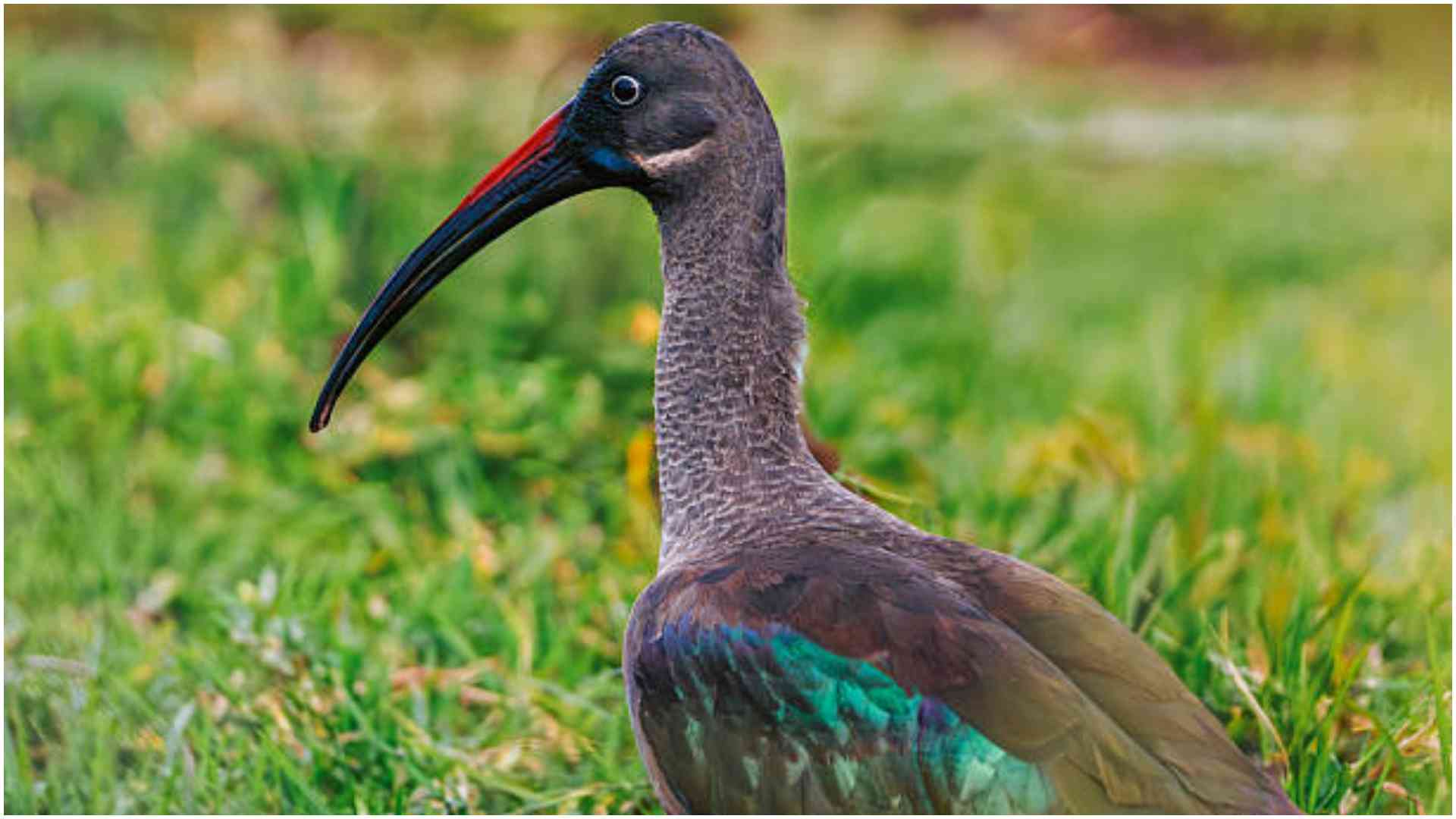
Locals call it "Ng'ang'a," due to its noisy nature, especially when it's excited or when its life is in danger. But in English it is called Ibis bird, a name derived from Egypt where it was traditionally regarded as a sacred bird.
In the Luo culture, it was a loathed bird people and would throw stones at it every time it was seen near a home. But times have changed. Ng'ang'a is now a delicacy in Seme, Kisumu, and a well-sought-after meal along the shores of Lake Victoria.
Interviews with residents established that tough economic times and dwindling fish stocks have pushed residents to target even wild birds and, in some extreme cases, hyenas.
Abraham Gilbert Odhiambo is a fisherman at Bao Beach in Seme Sub-County, Kisumu, and so it would be expected that his favourite dish would be fish or Omena, but he confesses his undying love for "Ng'ang'a".
"We are the people who eat Ng'ang'a (Sacred Ibis). I have eaten it for five years and I am yet to find anything wrong with it. Ng'ang'a's body parts are bigger compared to those of a chicken and it's also tastier," Odhiambo says.
He says it's also less expensive than chicken.
"I eat Ng'ang'a because it's less expensive compared to chicken. It's also readily available in this area. I only need to take a stone and aim at one and if I'm lucky, I manage to bring one down," he adds.
Ng'ang'a' is safe meat, according to Odhiambo.
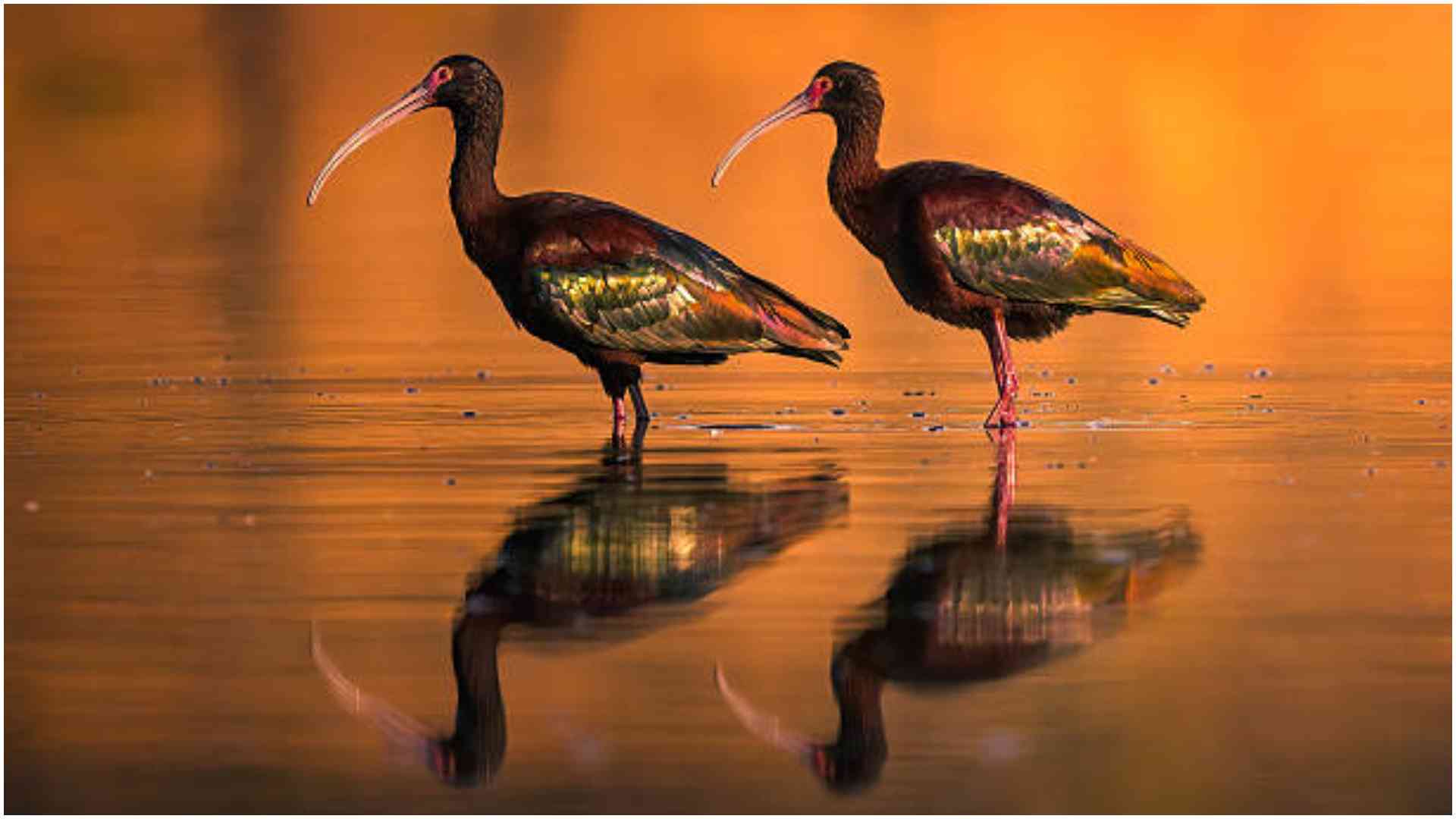
"We live with them here. I see them feed on omena and other seafoods thus I consider them safe to eat," Odhiambo told journalists.
Grace Adhiambo, a hotelier in Seme, says her restaurant is popular because she serves Ng'ang'a.
"I cook Ng'ang'a in my hotel. In a day, I can cook up to three Ng'ang'a and sell a plate at Sh200 served with ugali," she said.
For Vincent Otieno, a beach patron at Bao Beach, his taste buds developed a liking for the wild bird, and he no longer wants to replace it with chicken.
"In this area, people don't value chicken anymore. They say that chicken is expensive and unavailable most of the time, unlike Ng'ang'a, which is readily available because they feed here," he said.
Breaking the law
"This bird eats fish and therefore we cannot fear it, we know how it lives," he said.
Damaris Adhiambo, who sells omena in Seme has never looked back ever since she tasted Ng'ang'a.
"I used to wonder why people eat Ng'ang'a here. I decided to give it a try, and to my surprise, it was very tasty. Since then, I have never stopped eating Ng'ang'a," Adhiambo said.
"I cook it often and I have discovered that I don't need to use a lot of oil. The meat has a lot of oil of its own," she added.
The Nairobian established that in several beaches across the region, residents have been setting traps in fishing nets to catch the bird and turn it into a finger-licking delicacy.
Pauline Adhiambo Okode, the KWS warden in charge of Ndere Island National Park, says those feeding on the bird are breaking the law.
"We have animals like birds that are under the protection of our laws," Okode said.
Those feeding on Ng'ang'a can be prosecuted for breaching the law, according to the warden.
"If we find you, we will arrest you and charge you in court under Cap 376 of the Wildlife Conservation and Management Act."
"Let us not feed on Ng'ang'a. It is an endangered species, and the more we continue to eat it, it risks going extinct," she said.
Jotham Ondu, aka Ajiki Koth Yamo, says there are birds that are considered sacred in Luo culture and should not be eaten.
"Sacred Ibis is among birds that Luos never used to eat," he says.
Health risks
Paul Ndanganga, Regional Director in Africa at BirdLife International, says the bird is endangered and is considered sacred by some communities.
"It is one of the birds that attract tourists," he says.
BirdLife International is an organisation that works to protect and care for birds.
In Kisumu's iconic Dunga beach, Ng'ang'a is one of the species of birds that is sought after by bird watchers.
Maurice Kotieno, a bird enthusiast, told Nairobian that the decision by some to hunt it for food is unfortunate and should be condemned.
"It has started with this bird, but who knows the other species they will target next. This kind of greed should be stopped," he says.
George Omollo, a nutritionist based in Nairobi, told Nairobian that there are several health risks associated with eating the Sacred Ibis but added that some of the risks can be reduced by cooking.
"As a nutritionist, my recommendation would be to avoid eating them completely due to the potential health risks involved," he says.
But it is not just the bird alone. Some residents of Seme admitted to targeting hyenas for food.
"What else are we supposed to do if KWS is unable to transfer the roaming hyenas to protected areas?" posed Jacob Owino, a resident of Kogilo.
Illegal feeding on animals poses a grave danger to the human population.
"Animals carry microbes and parasites that could easily cross to humans and cause epidemics - or even pandemics," says Dr Emily Mudoga, a veterinarian.
Zoonotic diseases - illnesses that can be transferred from animals to man and vice versa - are a constant threat to public health, she says.
Subscribe to our newsletter and stay updated on the latest developments and special offers!